
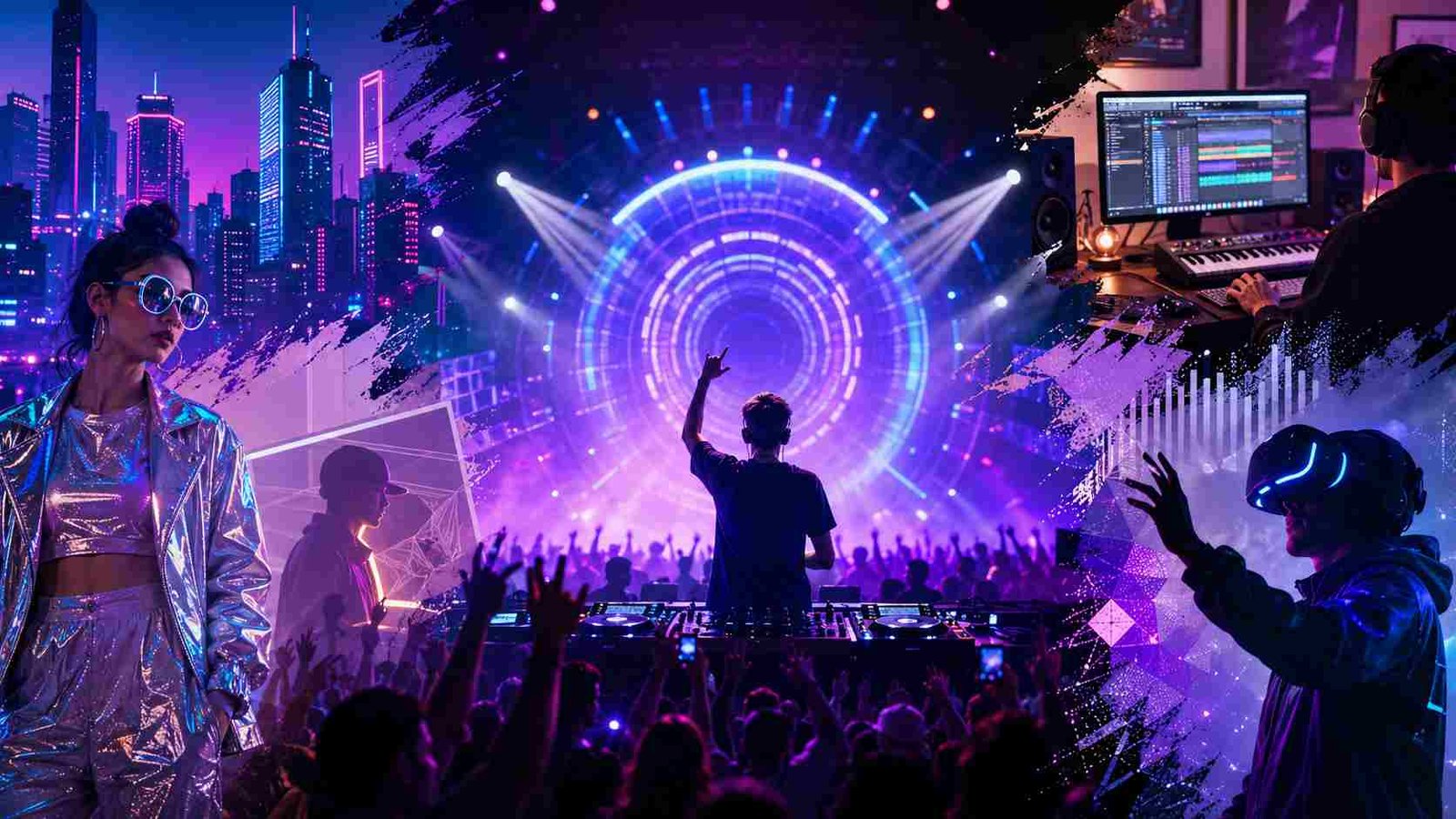
Electro music has become one of the most influential forces in modern entertainment. From chart-topping pop songs to blockbuster movie soundtracks, its energetic beats and digital production techniques have reshaped the way people create, perform, and enjoy music. If you’ve ever wondered what is the impact of electro music on pop culture, the answer goes far beyond catchy rhythms. It has transformed fashion, technology, live events, social media trends, and even the way artists connect with fans around the world.
Today, electro music is no longer limited to underground clubs or niche audiences. It has blended into mainstream pop, hip-hop, dance, and even rock, making electronic sounds a familiar part of everyday listening. As technology continues to evolve, electro music keeps inspiring new creative possibilities while influencing generations of musicians and fans alike.
Understanding Electro Music and Its Roots
Electro music is a genre built around electronic instruments such as synthesizers, drum machines, sequencers, and digital audio software. Unlike traditional music that relies mainly on acoustic instruments, electro emphasizes programmed beats, futuristic sounds, and carefully designed rhythms. Although production methods have changed over the years, the genre has remained focused on creativity and innovation.
The roots of electro music stretch back to the late 1970s and early 1980s when musicians began experimenting with electronic technology. Early pioneers discovered that synthesizers could create sounds impossible to achieve with guitars or pianos. These innovations gave birth to a completely new musical style that would eventually influence countless genres and reshape global pop culture.
How Electro Music First Emerged
Electro music grew out of advances in music technology during the late twentieth century. Affordable synthesizers, drum machines like the Roland TR-808, and early computers allowed artists to create music without relying entirely on live bands. These tools opened the door for new forms of expression that sounded futuristic and energetic.
At the same time, hip-hop, funk, disco, and experimental electronic music all contributed to electro’s development. Artists combined robotic rhythms with funk-inspired basslines and electronic melodies, creating a sound that quickly gained popularity in clubs and urban music scenes. This blend of styles helped electro establish its own unique identity.
The Characteristics That Define Electro Music
One of the defining features of electro music is its strong emphasis on rhythm. Drum machines create precise beats that often feel mechanical yet highly danceable. Synthesizers provide rich layers of melodies, while electronic basslines give songs their powerful energy.
Another important characteristic is experimentation. Producers constantly explore new sounds using digital effects, sampling, automation, and sound design. Because technology keeps evolving, electro music continues to reinvent itself, making it one of the most adaptable genres in modern music.
How Electro Music Changed the Sound of Pop Culture
Electro music has dramatically influenced how popular music is written, produced, and performed. Before digital production became common, recording often required expensive studios and large teams of musicians. Today, producers can create professional-quality tracks using laptops and software, making music production more accessible than ever.
This shift has changed audience expectations as well. Modern listeners have become familiar with electronic drums, layered synths, vocal effects, and polished production. As a result, many mainstream songs now include electronic elements, even if they belong to genres outside traditional electronic dance music.
If you want to understand the history of electronic music, it helps to explore how electronic production evolved over the decades. Early innovations in synthesizers, drum machines, and digital recording transformed the way music was created and laid the foundation for today’s electro music. These innovations continue to influence pop songs, film soundtracks, and live performances around the world.
The Rise of Electronic Elements in Mainstream Pop
Pop music has embraced electronic production over the past two decades. Many chart-topping songs feature synthesizers, digital percussion, electronic basslines, and programmed sound effects that create a polished and energetic listening experience.
Artists such as Lady Gaga, Dua Lipa, The Weeknd, Calvin Harris, and David Guetta have helped bring electronic sounds to mainstream audiences. Their collaborations demonstrate how electro music can blend seamlessly with pop melodies while appealing to listeners across different age groups and cultures.
Why Electro Music Appeals to Modern Audiences
Electro music connects with modern audiences because it delivers energy, emotion, and variety. Whether someone enjoys relaxing electronic ambient music or high-tempo dance tracks, the genre offers something for nearly every mood and occasion.
Another reason for its popularity is accessibility. Streaming platforms, social media, and digital production tools allow listeners to discover new artists instantly while giving aspiring musicians the opportunity to produce and share their own music without major financial barriers.
The Influence of Electro Music on Popular Artists
Electro music has inspired artists across nearly every major genre. Pop singers, rappers, rock bands, and independent musicians frequently incorporate electronic production techniques into their work. Instead of replacing traditional instruments, electronic sounds often enhance them, creating richer and more dynamic recordings.
Many artists also collaborate with electronic producers to reach wider audiences. These partnerships combine memorable vocals with dance-friendly production, resulting in songs that perform well on streaming platforms, radio stations, and festival stages around the world.
How Musicians Blend Electro With Other Genres
One of electro music’s greatest strengths is its flexibility. Producers can combine electronic beats with hip-hop rhythms, pop choruses, rock guitars, jazz harmonies, or even classical orchestras. This fusion allows musicians to create fresh sounds while maintaining their unique artistic identities.
For example, electronic influences appear in modern country music, Latin pop, K-pop, Afrobeats, and indie music. Rather than replacing traditional styles, electro production enhances them by adding depth, rhythm, and modern appeal.
Iconic Performers Who Helped Shape the Movement
Several influential artists helped introduce electro music to global audiences. Kraftwerk pioneered electronic experimentation with minimalist compositions that inspired generations of producers. Later, artists such as Daft Punk transformed electronic music into worldwide entertainment through innovative performances and unforgettable albums.
Producers like Deadmau5, Skrillex, Calvin Harris, and David Guetta expanded electro’s reach by collaborating with mainstream singers and introducing electronic music to larger audiences. Meanwhile, performers like Björk and Jean-Michel Jarre demonstrated how electronic music could also become a form of artistic expression beyond the dance floor.
Electro Music’s Role in Fashion and Visual Trends
Electro music has influenced far more than sound. Its futuristic identity has shaped fashion, graphic design, photography, stage production, and visual storytelling. Neon lighting, metallic fabrics, reflective materials, oversized sunglasses, and cyber-inspired aesthetics have become closely associated with electronic music culture.
Designers often draw inspiration from electro music because it represents innovation and modernity. Fashion collections inspired by nightclub culture, digital art, and futuristic technology continue to appear on international runways, demonstrating how deeply electro music has become connected to visual creativity.
The Connection Between Music, Style and Identity
Fashion allows fans to express their connection to electro music beyond simply listening to songs. Festival outfits, LED accessories, colorful makeup, sneakers, and streetwear have become symbols of belonging within electronic music communities.
Artists also use fashion to strengthen their personal brands. Distinctive clothing, futuristic costumes, and bold visual identities help performers create memorable experiences that extend beyond their music. These visual choices often influence broader fashion trends seen across social media and popular culture.
How Music Videos Elevated the Electro Aesthetic
Music videos have played a major role in spreading electro culture worldwide. High-quality visual effects, neon lighting, digital animations, and futuristic cityscapes complement electronic sounds while creating immersive viewing experiences.
As platforms like YouTube became popular, visually striking electro music videos reached millions of viewers. Many artists invested heavily in creative storytelling, advanced visual effects, and cinematic production, helping establish electro music as both a musical and visual art form.
The Impact of Electro Music on Live Entertainment
Electro music has completely transformed the live entertainment industry. Unlike traditional concerts that focus mainly on musicians performing on stage, electro performances combine music with synchronized lighting, lasers, LED screens, pyrotechnics, and digital visuals. These elements work together to create an experience that feels more like an immersive show than a standard concert.
The popularity of electronic performances has also encouraged event organizers to invest in larger venues and more advanced production equipment. Fans now expect concerts to deliver stunning visual effects alongside high-quality sound, raising the standard for live entertainment across many music genres.
Festival Culture and High-Energy Performances
Music festivals have become one of the biggest symbols of electro culture. Events such as Tomorrowland, Ultra Music Festival, and Electric Daisy Carnival attract hundreds of thousands of fans from around the world every year. These festivals celebrate not only music but also creativity, art, fashion, and community.
The energy at electro festivals is unlike most other live events. DJs carefully build their sets to keep audiences engaged for hours, blending tracks seamlessly while reading the crowd’s reactions. Massive stage designs, fireworks, and interactive installations create unforgettable experiences that many attendees describe as once-in-a-lifetime memories.
Technology’s Role in Creating Immersive Shows
Technology sits at the heart of every successful electro performance. Advanced lighting systems, synchronized lasers, projection mapping, drones, LED wristbands, and real-time visual effects help transform concerts into fully immersive productions. These technologies respond to the music, making audiences feel connected to every beat.
Modern software also allows performers to remix songs live, trigger visual effects instantly, and interact with audiences in creative ways. As virtual reality (VR), augmented reality (AR), and artificial intelligence continue to improve, future electro concerts are expected to become even more interactive and personalized.
How Social Media Expanded Electro Music’s Reach
Social media has played a major role in making electro music a global phenomenon. Platforms such as TikTok, Instagram, YouTube, and Facebook allow artists to promote new releases instantly while connecting directly with fans across different countries. A song no longer needs heavy radio promotion to become successful if it gains momentum online.
For independent musicians, social media has removed many traditional barriers. Producers can upload original tracks, share behind-the-scenes content, livestream performances, and build loyal audiences without signing with major record labels. This direct connection has made the industry more open and competitive.
Viral Content and Streaming Platforms
Streaming services have changed how people discover electro music. Personalized playlists, recommendation algorithms, and curated mixes introduce listeners to artists they may never have found through traditional media. As a result, emerging producers can gain international recognition much faster than in previous decades.
Short-form video platforms have also helped electronic tracks go viral. A catchy beat used in a dance challenge, fitness routine, or travel montage can generate millions of plays within days. This exposure often leads to increased streams, chart success, and opportunities for artists to perform at larger events.
The Growth of Online Fan Communities
Electro music fans are highly active online. Communities on Reddit, Discord, Facebook Groups, and other platforms allow people to discuss new releases, recommend artists, review festivals, and share production tips. These online spaces create strong relationships among listeners from different cultures and backgrounds.
Many producers actively participate in these communities by answering questions, hosting live sessions and sharing production techniques. This level of interaction strengthens trust between artists and fans while encouraging collaboration and creativity within the electronic music scene.
How Electro Music Inspires Today’s Creative Industries
The influence of electro music extends well beyond the music industry. Its futuristic sounds and innovative production techniques have inspired filmmakers, game developers, advertisers, fashion designers, and digital artists. Electronic music often represents progress, technology, and modern lifestyles, making it a popular choice for creative projects.
Businesses also use electro-inspired soundtracks to create energetic brand identities. Whether promoting sportswear, technology products, automobiles, or luxury fashion, companies frequently rely on electronic music to communicate innovation and excitement.
Influence on Film, Gaming and Digital Media
Electro music has become a common feature in films, television shows, video games, and online content. Action movies often use electronic soundtracks to build suspense and excitement, while science fiction productions rely on synthetic sounds to create futuristic atmospheres. These soundtracks enhance storytelling by matching the emotional tone of each scene.
The gaming industry has also embraced electro music. Popular games use electronic soundtracks to maintain energy during gameplay while helping players stay focused. From racing games to futuristic adventure titles, electronic music enhances immersion and creates memorable gaming experiences.
New Opportunities for Independent Creators
One of the biggest advantages of today’s digital landscape is the opportunity it offers independent creators. Affordable music production software allows aspiring producers to create professional-quality tracks from home without investing in expensive recording studios. This has made music production more accessible than ever before.
Online marketplaces, streaming platforms, and social media enable independent artists to distribute their music worldwide. Many successful electro producers started by releasing tracks online before signing with labels or performing at international festivals. This demonstrates that talent, creativity, and consistency can often matter more than having a large budget.
Challenges and Criticism of Electro Music
Like every major music genre, electro music has faced criticism alongside its success. Some critics argue that heavy reliance on computers, software, and digital production reduces the emotional connection found in live performances. Others believe that commercial success has encouraged some producers to follow similar formulas instead of experimenting with fresh ideas. While these concerns have some merit, they do not represent the entire genre.
At the same time, electro music continues to evolve through innovation and creativity. Many producers spend countless hours designing original sounds, composing melodies, and refining every detail of a track. Rather than replacing musical talent, technology has become another instrument that allows artists to express their creativity in new and exciting ways.
Balancing Innovation With Authenticity
One of the biggest challenges for modern electro artists is staying innovative while remaining authentic. As trends spread quickly through streaming platforms and social media, there can be pressure to create music that follows popular formulas. However, audiences often appreciate artists who develop a recognizable style instead of simply copying current trends.
Successful producers usually find a balance between experimenting with new production techniques and maintaining their unique musical identity. They introduce fresh sounds while preserving the emotional connection that listeners value. This balance helps build long-term careers instead of short-lived popularity.
Common Misconceptions About the Genre
A common misconception is that electro music is created simply by pressing a few buttons on a computer. In reality, producing professional electronic music requires knowledge of music theory, sound design, mixing, mastering, rhythm, and arrangement. Many producers spend years learning these skills before releasing successful tracks.
Another misunderstanding is that all electro music sounds the same. The genre actually includes many different styles, ranging from ambient and downtempo music to electro house, synthwave, techno, and experimental electronic music. Each subgenre has its own characteristics, audiences, and creative approaches.
The Future of Electro Music in Pop Culture
The future of electro music looks bright as technology continues to reshape the entertainment industry. Artificial intelligence, virtual reality, spatial audio, and advanced production software are giving musicians entirely new ways to create and perform. These innovations are expanding creative possibilities while making music production more accessible to people around the world.
Electro music is also becoming increasingly global. Producers from different countries combine local musical traditions with electronic production, creating unique sounds that appeal to international audiences. This cultural exchange is helping the genre remain fresh while introducing listeners to diverse musical influences.
Emerging Trends and Creative Innovations
Several exciting trends are shaping the future of electro music. AI-assisted music production tools are helping artists generate ideas more efficiently, while immersive audio formats provide richer listening experiences through headphones and home theater systems. These technologies are improving both the creative process and the listener’s experience.
Sustainability is also becoming more important within the electronic music community. Festival organizers are reducing waste, adopting renewable energy solutions, and encouraging environmentally friendly practices. As fans become more environmentally conscious, these efforts are likely to influence how major music events are planned in the future.
What the Next Generation of Electro Music Could Look Like
The next generation of electro music will likely focus on greater personalization and interaction. Concerts may combine virtual reality, augmented reality, holographic performances, and interactive audience participation to create experiences that feel more immersive than ever before.
Young producers are also experimenting with cross-cultural collaborations, combining electronic production with traditional instruments from around the world. This fusion of global influences could lead to entirely new subgenres that continue expanding electro music’s role in popular culture.
Frequently Asked Questions
1. What is electro music?
Electro music is an electronic music genre that uses synthesizers, drum machines, digital production tools, and programmed rhythms to create distinctive futuristic sounds.
2. What is the impact of electro music on pop culture?
Electro music has influenced mainstream pop, fashion, festivals, social media, film, gaming, technology, and modern music production, making it one of today’s most impactful genres.
3. How is electro music different from EDM?
Electro is a specific electronic music style, while EDM (Electronic Dance Music) is a broader category that includes electro, house, trance, techno, dubstep, and several other subgenres.
4. Why is electro music so popular today?
Its energetic beats, modern production, wide variety of styles, and accessibility through streaming platforms have helped electro music attract audiences worldwide.
5. Who are some famous electro music artists?
Well-known artists include Kraftwerk, Daft Punk, Calvin Harris, David Guetta, Deadmau5, Skrillex, and many other producers who have shaped electronic music.
6. Does electro music influence other music genres?
Yes. Pop, hip-hop, rock, K-pop, Latin music, Afrobeats, and many other genres regularly incorporate electronic production techniques inspired by electro music.
7. Can beginners create electro music at home?
Yes. Affordable digital audio workstations (DAWs), virtual instruments, and online tutorials allow beginners to start producing electro music with a computer and basic equipment.
8. What does the future hold for electro music?
Future developments are expected to include AI-assisted production, immersive live performances, virtual reality experiences, spatial audio, and more global musical collaborations.
Conclusion
Electro music has grown from an innovative underground genre into a major force that shapes today’s pop culture. Its influence can be seen in mainstream music, fashion, live performances, social media, film, gaming, and digital creativity. By combining technology with artistic expression, electro music continues to inspire musicians, producers, and fans around the world. As new technologies and creative trends emerge, its impact is expected to grow even further, making it an important part of the future of global entertainment and modern culture.