
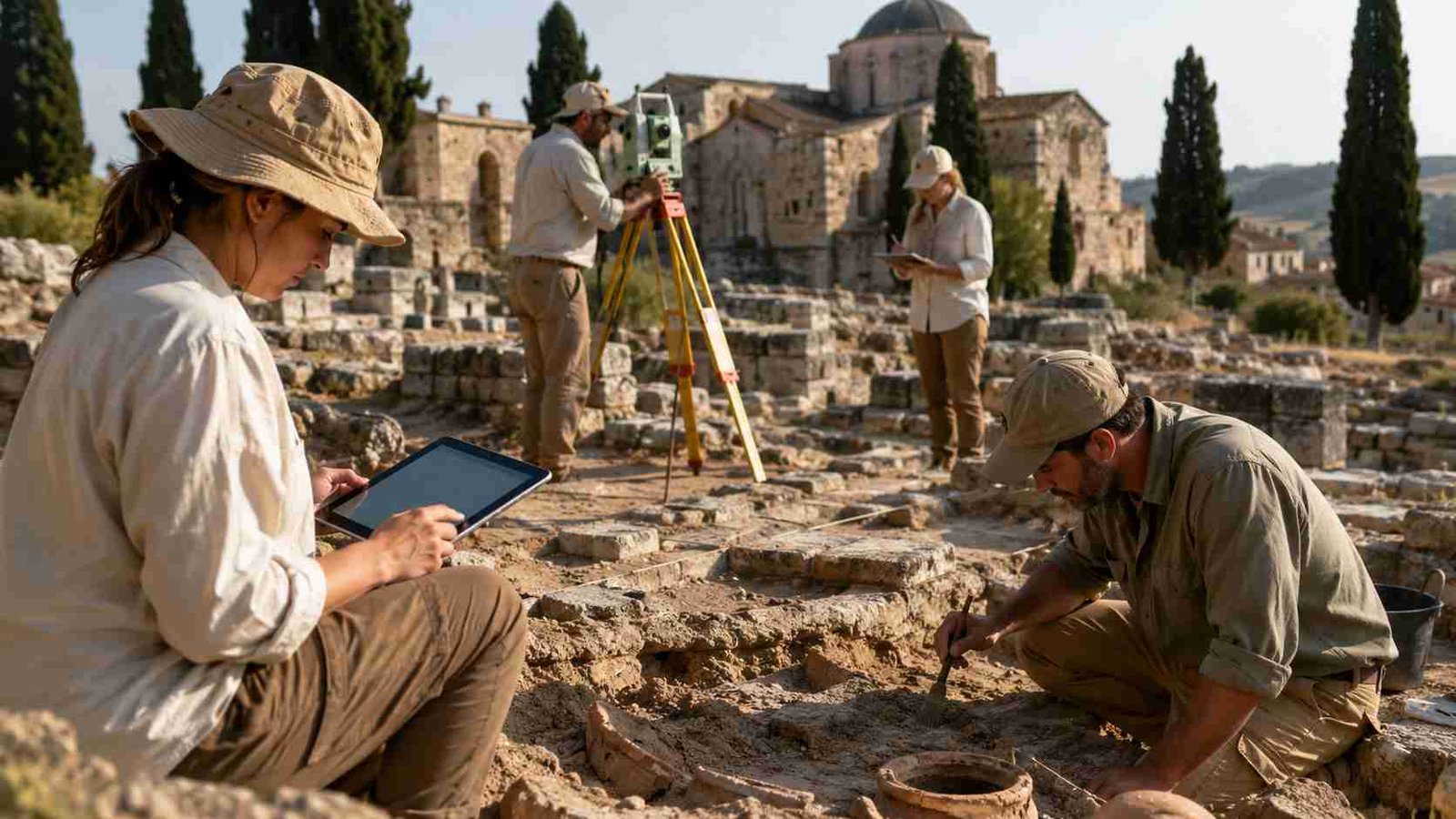
Cultural Resource Management (CRM) is the process of identifying, evaluating, protecting, and managing places, objects, and traditions that have historical, archaeological, architectural, or cultural value. It helps ensure that important cultural resources are preserved before they are damaged by construction, land development, natural disasters, or other human activities. Governments, archaeologists, historians, and cultural heritage professionals work together to document these resources and develop plans that balance preservation with modern development.
Today, cultural resource management plays an important role in protecting a community’s shared history while supporting responsible growth. Whether it involves preserving an ancient archaeological site, restoring a historic building, or documenting a culturally significant landscape, CRM helps safeguard valuable heritage for future generations. It also ensures that projects such as roads, bridges, housing developments, and public infrastructure comply with heritage protection laws and minimise their impact on culturally significant sites.
What Is Cultural Resource Management?
Cultural Resource Management is a professional field focused on protecting cultural heritage through careful planning, research, and conservation. The term “cultural resources” refers to physical and intangible assets that reflect the history and identity of a community. These resources may include archaeological sites, historic buildings, monuments, cultural landscapes, museum collections, sacred places, and traditional cultural properties. CRM professionals assess the significance of these resources before recommending ways to preserve or manage them responsibly.
In practice, cultural resource management is much more than simply protecting old buildings or artefacts. It involves conducting historical research, performing archaeological surveys, documenting discoveries, consulting with local communities and Indigenous groups, and following legal requirements before development projects begin. For example, before a new highway is built, archaeologists may survey the area to determine whether important historical remains exist. If valuable cultural resources are found, project planners can modify construction plans or implement preservation measures to protect them while allowing development to continue responsibly.
Why Is Cultural Resource Management Important?
Cultural Resource Management is important because it protects the places, objects, and traditions that reflect the history and identity of communities. Archaeological sites, historic buildings, cultural landscapes, and traditional heritage can be permanently damaged by construction, urban development, natural disasters, or environmental changes if they are not properly managed. Through research, documentation, and preservation, Cultural Resource Management helps safeguard these valuable resources so future generations can continue learning from them. It also ensures that important historical evidence is not lost before development projects move forward.
Beyond preserving the past, Cultural Resource Management supports responsible planning and sustainable development. Before major construction projects begin, specialists assess whether culturally significant resources are present and recommend ways to avoid or minimise damage. For example, an archaeological survey may identify a historic settlement before a new road is built, allowing planners to redesign the project or protect the site. This balanced approach benefits governments, developers, local communities, and Indigenous groups by preserving cultural heritage while allowing modern infrastructure and economic growth to continue responsibly.
Types of Cultural Resources
Cultural resources include a wide range of places, objects, and landscapes that reflect the history, traditions, and identity of different communities. These resources are not limited to ancient ruins or historic buildings; they also include cultural landscapes, traditional sites, museum collections, and locations that hold spiritual or historical importance. Cultural Resource Management classifies these resources to determine how they should be documented, protected, and preserved based on their significance and condition.
Understanding the different types of cultural resources is essential because each category requires a unique management approach. For example, an archaeological site may need excavation and scientific analysis, while a historic building may require restoration using traditional construction methods. Recognising these differences helps heritage professionals, governments, and local communities make informed decisions that protect cultural heritage while supporting responsible land use and development.
Archaeological Resources
Archaeological resources are physical remains left behind by past human societies. They include artefacts, burial sites, pottery, tools, ancient settlements, rock art, and other evidence that helps researchers understand how people lived centuries or even thousands of years ago. These resources are often buried beneath the ground or hidden beneath modern landscapes, making careful surveys and professional excavation essential before any development takes place.
For example, archaeologists may discover the foundations of an early settlement during the construction of a new highway or housing project. Instead of allowing the site to be destroyed, specialists document, study, and preserve the findings whenever possible. This process not only protects valuable historical information but also provides new insights into the social, cultural, and economic life of earlier civilizations.
Historic Buildings and Structures
Historic buildings and structures are important cultural resources because they represent the architectural, social, and economic history of a community. They include historic homes, churches, bridges, forts, schools, industrial buildings, monuments, and other structures that have historical or cultural significance. Many of these places reflect unique construction techniques, artistic styles, or important events that shaped local or national history.
Preserving historic structures allows future generations to experience authentic connections with the past rather than relying only on written records. For instance, restoring a century-old railway station or protecting a historic courthouse can strengthen community identity while encouraging heritage tourism and education. In many cases, these buildings continue to serve modern purposes through careful restoration that respects their original character and historical value.
Cultural Landscapes and Traditional Sites
Cultural landscapes and traditional sites are places where people, history, and the natural environment are closely connected. These areas may include historic parks, agricultural landscapes, battlefields, sacred mountains, ceremonial grounds, or locations that hold cultural significance for Indigenous peoples and local communities. Their value often comes from both their physical features and the traditions, stories, and practices associated with them.
Managing these places requires more than preserving the land itself. Heritage professionals also work with local communities to understand the cultural meaning of each site and ensure that traditional values are respected. For example, a mountain regarded as sacred by an Indigenous community may require special protection during nearby development projects. This collaborative approach helps preserve both the physical landscape and the living cultural heritage connected to it.
How Cultural Resource Management Works
Cultural Resource Management follows a structured process that helps identify, evaluate, and protect cultural heritage before it is affected by development or environmental changes. Rather than responding after damage occurs, CRM focuses on early planning to ensure that culturally significant resources are recognised and managed responsibly. This process involves researchers, archaeologists, historians, government agencies, and local communities working together to make informed decisions based on historical evidence and legal requirements.
Although every project is different, most Cultural Resource Management programmes follow similar steps, including research, field surveys, evaluation, documentation, and preservation planning. Each stage builds on the previous one to create a clear understanding of a site’s cultural value and determine the most appropriate way to protect it. This systematic approach helps balance heritage conservation with modern infrastructure and land development.
Research and Resource Identification
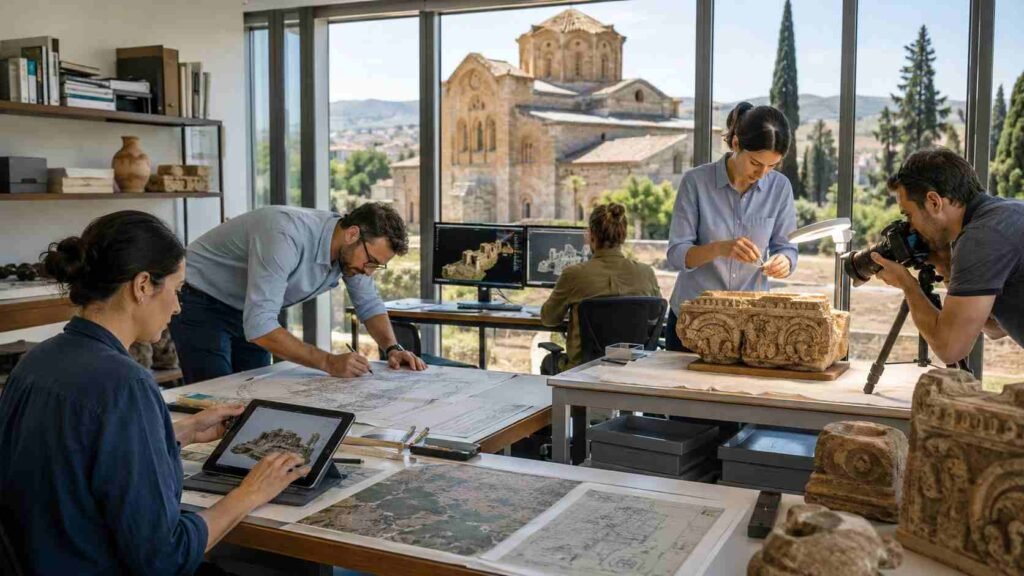
The first stage of Cultural Resource Management is gathering information about an area before any physical work begins. Specialists review historical records, old maps, photographs, previous archaeological reports, and local knowledge to identify places that may contain culturally significant resources. This background research helps determine where detailed field investigations should be carried out and reduces the risk of overlooking important heritage sites.
After the initial research, professionals conduct field surveys to confirm whether cultural resources are present. Archaeologists may walk across the landscape, examine surface evidence, or use non-invasive technologies to locate buried remains without disturbing the site. For example, before constructing a new housing development, a survey might reveal the remains of an early settlement, allowing planners to consider protection measures before construction starts.
Evaluation and Documentation
Once cultural resources are identified, specialists evaluate their historical, archaeological, architectural, or cultural significance. They consider factors such as the resource’s age, condition, uniqueness, historical importance, and its contribution to understanding the past. This evaluation helps determine whether a site should be preserved, studied further, or managed under national or local heritage regulations.
Accurate documentation is equally important because it creates a permanent record of the resource. Professionals prepare detailed reports, maps, photographs, drawings, and digital records that describe the site’s characteristics and significance. For example, if a historic bridge cannot be fully preserved due to a major infrastructure project, comprehensive documentation ensures its historical information remains available for future research and public reference.
Preservation and Protection
After evaluation, a preservation strategy is developed based on the significance and condition of the cultural resource. Whenever possible, the preferred approach is to protect the resource in its original location by redesigning construction plans, creating protective zones, or introducing long-term conservation measures. This allows important heritage sites to remain intact while nearby development continues responsibly.
In situations where complete preservation is not possible, Cultural Resource Management focuses on reducing damage and preserving valuable information through controlled excavation, detailed recording, conservation work, or careful relocation when appropriate. For instance, if a road project cannot avoid an archaeological site, specialists may recover and document artefacts before construction begins. This balanced approach ensures that cultural heritage is respected while supporting the practical needs of modern development.
Key Activities in Cultural Resource Management
Cultural Resource Management involves a range of activities designed to identify, assess, and protect cultural heritage before it is affected by development or environmental changes. These activities are carried out by archaeologists, historians, architects, environmental specialists, and heritage professionals who work together to ensure that culturally significant resources are managed responsibly. Each activity contributes to preserving historical information while allowing communities to meet modern development needs.
The exact activities vary depending on the project, but most Cultural Resource Management programmes include archaeological surveys, historic preservation, and compliance with heritage laws and regulations. These steps help decision-makers understand the importance of cultural resources and develop practical solutions that balance conservation with infrastructure, construction, and land-use planning.
Archaeological Surveys
Archaeological surveys are one of the first and most important activities in Cultural Resource Management. Their purpose is to identify archaeological sites before construction or land development begins. Specialists examine historical records, conduct field inspections, and sometimes use advanced technologies such as ground-penetrating radar or aerial mapping to locate buried or hidden cultural remains without causing unnecessary disturbance.
For example, a proposed highway or renewable energy project may require an archaeological survey before receiving approval. If artefacts, ancient settlements, or burial sites are discovered, heritage professionals evaluate their significance and recommend appropriate actions. These findings help planners avoid damaging important archaeological resources while allowing projects to move forward responsibly.
Historic Preservation
Historic preservation focuses on protecting buildings, structures, monuments, and other places that have historical, architectural, or cultural significance. Rather than simply preventing change, preservation aims to maintain the character and integrity of these resources while allowing them to remain useful for future generations. Restoration, rehabilitation, routine maintenance, and adaptive reuse are common approaches used to extend the life of historic properties.
A practical example is the restoration of a historic courthouse that continues to serve the public while preserving its original architectural features. Similarly, an old warehouse may be converted into a museum or community centre instead of being demolished. These projects protect local heritage, strengthen community identity, and often support education and heritage tourism.
Regulatory Compliance
Regulatory compliance ensures that development projects follow the laws and policies designed to protect cultural heritage. Before construction begins, developers and government agencies often need to assess whether a project could affect archaeological sites, historic properties, or other culturally significant resources. Following these legal requirements helps prevent avoidable damage and encourages responsible planning from the earliest stages of a project.
Compliance also promotes transparency and collaboration between developers, heritage professionals, government authorities, and local communities. For instance, if a planned infrastructure project is expected to impact a historic site, authorities may require additional studies, redesigns, or protective measures before granting approval. By meeting these requirements, organisations reduce legal risks while helping preserve valuable cultural resources for future generations.
Who Is Responsible for Cultural Resource Management?
Cultural Resource Management is a shared responsibility involving government agencies, heritage professionals, developers, Indigenous communities, and local stakeholders. Government authorities establish heritage laws and policies, while archaeologists, historians, architects, and cultural resource specialists identify, evaluate, and recommend ways to protect significant cultural resources. Developers and landowners also play an important role by working with qualified professionals to assess cultural resources before construction or land-use projects begin. This collaborative approach helps ensure that development decisions consider both economic needs and cultural heritage.
Local communities and Indigenous groups are equally important because they often hold valuable historical knowledge and cultural connections to specific places. Their participation helps professionals understand the historical, spiritual, and social significance of cultural resources that may not be fully documented in official records. For example, during the planning of a new infrastructure project, community consultation may identify a traditional cultural site that requires protection or changes to the project design. By bringing together technical expertise, legal oversight, and community knowledge, Cultural Resource Management creates more informed decisions that preserve cultural heritage while supporting responsible development.
Challenges in Cultural Resource Management
Cultural Resource Management faces several challenges because cultural resources are often located in areas where modern development is planned. Expanding cities, transportation projects, mining, renewable energy facilities, and other infrastructure developments can place archaeological sites, historic buildings, and cultural landscapes at risk. In many cases, heritage professionals must work within limited timeframes to identify and assess cultural resources before construction begins. Balancing economic growth with the protection of cultural heritage requires careful planning, thorough research, and cooperation between developers, government agencies, and local communities.
Another major challenge is the long-term preservation of cultural resources in the face of natural and environmental threats. Climate change, flooding, coastal erosion, wildfires, earthquakes, and severe weather can damage or destroy irreplaceable heritage sites. Limited funding, a shortage of trained specialists, and changing land-use priorities can also make conservation efforts more difficult. For example, a historic coastal settlement may gradually disappear because of rising sea levels if adequate protection measures are not implemented. Addressing these challenges requires ongoing monitoring, community involvement, sustainable conservation strategies, and strong legal frameworks to ensure that valuable cultural heritage is protected for future generations.
Benefits of Cultural Resource Management
Cultural Resource Management provides lasting benefits by protecting the historical and cultural heritage that shapes the identity of communities. Preserving archaeological sites, historic buildings, cultural landscapes, and traditional places ensures that future generations can learn from the past through authentic evidence rather than relying only on written records. These protected resources also support education by giving students, researchers, and historians valuable opportunities to study human history, architecture, and cultural traditions. For example, a preserved archaeological site can reveal important information about ancient settlements, trade, and daily life that would otherwise be lost forever.
The benefits of Cultural Resource Management extend beyond heritage preservation by supporting sustainable development and local economies. Well-managed cultural resources often encourage heritage tourism, attract visitors, create employment opportunities, and strengthen community pride. At the same time, Cultural Resource Management helps developers and government agencies identify potential heritage issues early, reducing project delays, legal risks, and unexpected costs during construction. By balancing conservation with responsible development, Cultural Resource Management creates practical solutions that protect cultural heritage while allowing communities to grow in a sustainable and well-planned way.
The Future of Cultural Resource Management
The future of Cultural Resource Management will be shaped by new technologies, stronger collaboration, and a growing commitment to sustainable heritage conservation. Tools such as Geographic Information Systems (GIS), drones, 3D laser scanning, remote sensing, and digital mapping are making it easier to identify, document, and monitor cultural resources with greater accuracy. These technologies allow heritage professionals to collect detailed information while reducing unnecessary disturbance to sensitive sites. For example, a historic structure can now be digitally scanned to create a precise 3D model that supports restoration work and preserves a permanent record even if the building is later damaged.
At the same time, Cultural Resource Management is becoming more community-focused and environmentally aware. Governments, researchers, Indigenous communities, and local organisations are increasingly working together to protect cultural heritage while addressing challenges such as climate change, rapid urban development, and natural disasters. Future CRM projects are expected to place greater emphasis on early planning, public participation, and long-term conservation strategies rather than reacting after damage has occurred. By combining modern technology with traditional knowledge and responsible management practices, Cultural Resource Management will continue to protect valuable heritage while supporting sustainable development for future generations.
Conclusion
Cultural Resource Management plays a vital role in protecting the places, objects, and traditions that preserve our shared history and cultural identity. By combining research, careful planning, preservation, and legal compliance, it helps safeguard valuable cultural resources while supporting responsible development. As communities continue to grow and new challenges emerge, effective Cultural Resource Management will remain essential for balancing progress with heritage conservation, ensuring that future generations can learn from, appreciate, and benefit from the cultural legacy of the past.
Frequently Asked Questions
1. What is Cultural Resource Management?
Cultural Resource Management (CRM) is the process of identifying, evaluating, protecting, and managing cultural resources such as archaeological sites, historic buildings, cultural landscapes, and traditional heritage to preserve their historical and cultural value.
2. Why is Cultural Resource Management important?
It helps protect valuable cultural heritage from damage caused by development, natural disasters, or environmental changes while supporting responsible land use and preserving history for future generations.
3. What are examples of cultural resources?
Examples include archaeological sites, historic buildings, monuments, cultural landscapes, museum collections, historic documents, sacred places, and traditional cultural sites that hold historical or cultural significance.
4. Who is responsible for Cultural Resource Management?
Cultural Resource Management is a shared responsibility involving government agencies, archaeologists, historians, heritage professionals, developers, Indigenous communities, local organisations, and property owners working together to protect cultural heritage.
5. What is the purpose of an archaeological survey in CRM?
An archaeological survey identifies and evaluates cultural resources before construction or land development begins. This helps prevent damage to important heritage sites and supports informed planning decisions.
6. How does Cultural Resource Management support development projects?
CRM helps developers identify potential heritage concerns early in the planning process, allowing projects to meet legal requirements while protecting culturally significant resources and reducing costly delays.
7. What challenges does Cultural Resource Management face?
Common challenges include urban expansion, climate change, natural disasters, limited funding, illegal excavation, and balancing heritage preservation with modern infrastructure and economic development.
8. What is the future of Cultural Resource Management?
The future of CRM will rely on advanced technologies such as GIS mapping, drones, remote sensing, and 3D documentation, along with stronger collaboration between governments, heritage professionals, and local communities to improve the protection of cultural heritage.