
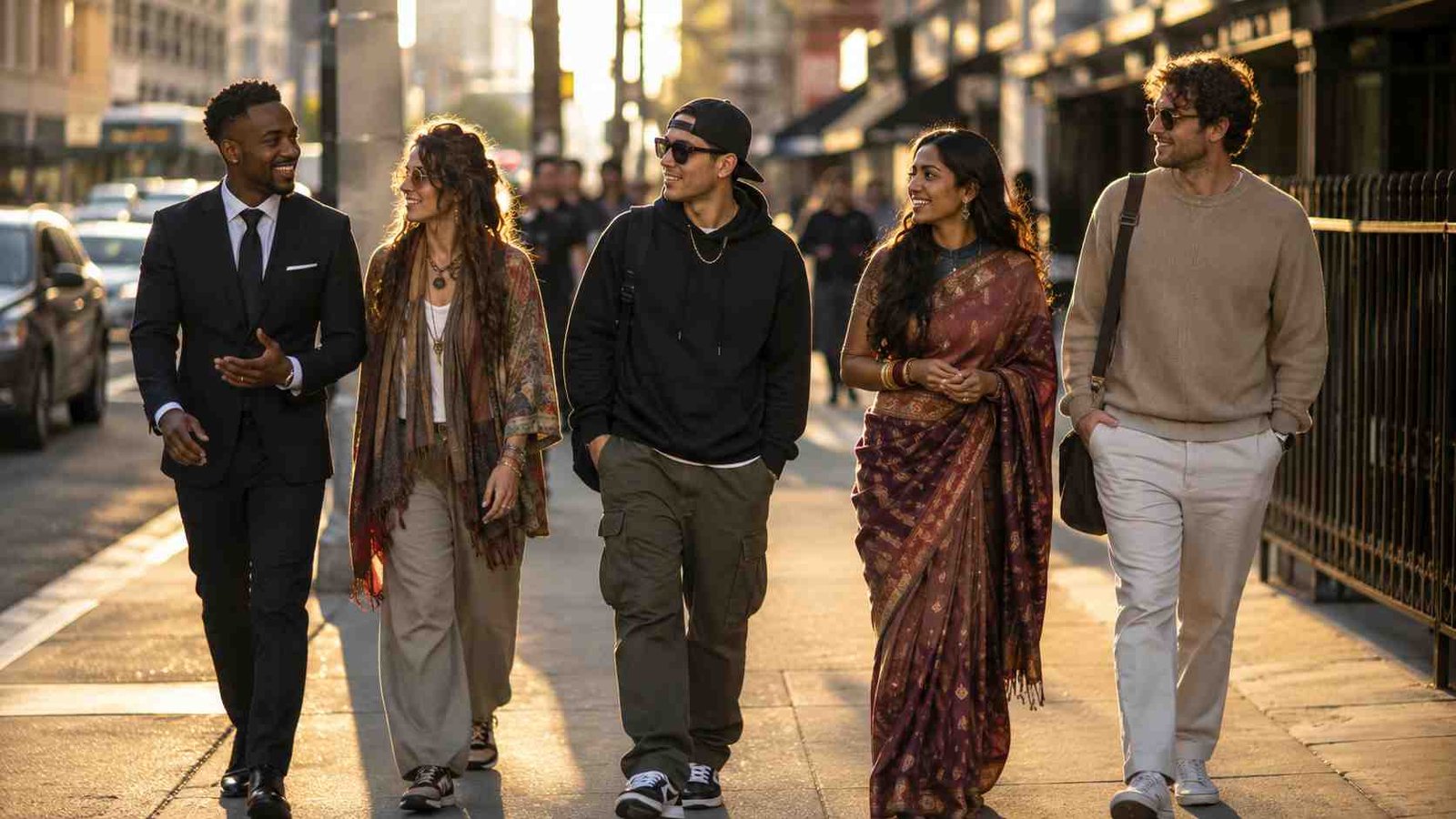
Fashion is more than just wearing clothes. It is a part of our daily lives and affects the way we think, feel, and connect with others. The clothes we wear can show our personality, improve our confidence, and help us make a good first impression. Fashion is also connected to culture, business, and society, making it important in many ways.
Understanding why fashion is important helps us see that it is not only about following trends. Fashion allows people to express themselves, feel comfortable, and adapt to different situations. It also supports millions of jobs and plays a big role in the global economy.
Fashion as a Tool for Personal Identity and Self-Expression
Fashion is one of the easiest ways to show who you are. Your clothing choices can reflect your personality, interests, values, and lifestyle. Even without speaking, your outfit gives others an idea of how you see yourself.
Everyone has a unique style, and fashion gives people the freedom to express it. Some people enjoy bright colors and bold designs, while others prefer simple and classic clothing. There is no single right style because fashion allows everyone to be themselves.
Communicating Who You Are Without Speaking a Word
The clothes you wear can say a lot about you. They can show your confidence, creativity, profession, or personal taste. People often notice your appearance before they start a conversation, so your clothing becomes a part of your first impression.
Fashion also gives you the chance to change your style as your life changes. You may dress differently for work, school, special events, or casual outings. This flexibility helps you express different sides of your personality while staying true to yourself.
The Psychological Power of “Enclothed Cognition” on Confidence

The way you dress can affect the way you feel. Experts use the term enclothed cognition to explain how clothing can influence your thoughts and confidence. Wearing clothes that make you feel good can help you feel more prepared and positive.
For example, wearing professional clothes to a job interview or neat clothing for an important meeting can make you feel more confident. Choosing outfits carefully can improve your mood, reduce stress, and help you face daily challenges with a better attitude.
Fashion’s Role in Social Communication and First Impressions
Fashion helps people communicate without using words. The clothes you wear often show your interests, lifestyle, or the groups you belong to. This makes it easier for people with similar interests to connect with each other.
First impressions are often based on appearance, and clothing plays a big part in that. Dressing neatly and appropriately for different situations can help you build trust, show respect, and create a positive image.
How Clothing Signals Status, Tribe and Belonging
Clothing can show which community, profession, or social group you belong to. For example, sports fans wear team jerseys, business professionals wear formal clothes, and different cultures have their own traditional clothing. These styles help people feel connected to others with similar interests.
Fashion also helps people share their values and goals. The clothes someone chooses can reflect their hobbies, lifestyle, or future ambitions. This makes fashion an important part of social interaction and personal identity.
Navigating Unspoken Social Rules Through Dress Codes
Different events and places have different dress expectations. Wearing suitable clothing for a wedding, job interview, business meeting, or family gathering shows respect for the occasion and the people around you.
Learning how to dress for different situations is a useful life skill. You can still keep your personal style while choosing clothing that fits the event. Dressing appropriately can help you feel comfortable and leave a good impression wherever you go.
The Economic Engine: Fashion as a Global Industry
Fashion is one of the world’s biggest industries. It creates jobs for millions of people, including designers, factory workers, shop owners, photographers, marketers, and many others. Because of this, fashion supports families and communities in many countries.
The fashion industry also helps the global economy grow. Every time people buy clothes, shoes, or accessories, they support businesses and workers across the supply chain. This is one reason why fashion is important beyond personal style.
Job Creation and the Multi-Trillion-Dollar Economic Footprint
Fashion provides work for people with many different skills. From growing cotton and making fabrics to designing clothes and selling them in stores, every step creates employment. This makes fashion an important source of income around the world.
The industry also supports other businesses, such as transportation, advertising, technology, and online shopping. Because fashion connects with many sectors, its success benefits the wider economy and creates new business opportunities.
Fashion’s Influence on Global Trade and Retail Markets
Fashion products are bought and sold across the world every day. Many countries work together to produce fabrics, manufacture clothing, and deliver products to customers. This global trade helps businesses grow and strengthens international markets.
Fashion also encourages new ideas in retail. Online stores, better shopping experiences, and improved production methods have changed how people buy clothes. As customer needs change, the fashion industry continues to develop and create new opportunities.
Cultural Storytelling and Historical Preservation
Fashion is an important part of culture and history. Different styles of clothing tell stories about the people, traditions, and time periods they come from. Looking at fashion from the past helps us understand how society has changed over the years.
Fashion also keeps cultural traditions alive. Many traditional clothes and handmade designs continue to be worn today, allowing new generations to learn about their heritage while celebrating their unique identity.
How Fashion Documents Social Change and Historical Eras
Fashion changes as society changes. Clothing styles often reflect important events, new ideas, and changing lifestyles. Looking at clothes from different decades helps us understand what people valued and how they lived during that time.
Each generation creates its own fashion trends, leaving behind a visual record of history. These styles help future generations learn about the past and see how fashion has evolved over time.
Preserving Heritage and Cultural Craftsmanship Through Clothing
Traditional clothing is an important part of many cultures. Handmade fabrics, embroidery, and weaving techniques have been passed down through generations. Fashion helps protect these skills by keeping them useful and appreciated today.
Modern designers often include traditional patterns and techniques in their collections. This allows people to celebrate their culture while introducing these beautiful crafts to a wider audience. Fashion helps preserve cultural identity and encourages respect for different traditions.
Practical Function: Protection, Adaptation and Utility
Fashion is not only about looking good. One of its main purposes is to protect our bodies from different weather conditions and everyday risks. Clothes keep us warm in winter, cool in summer, and protect our skin from sunlight, rain, wind, and dust.
Today, fashion also focuses on comfort and function. Many clothes are designed with special materials that keep the body dry, provide sun protection, or make movement easier. Good fashion combines style with practical benefits, making everyday life more comfortable.
Beyond Aesthetics—Clothing as Everyday Functional Armor
Clothing helps protect us in many situations. Warm jackets protect us from cold weather, raincoats keep us dry, and work uniforms improve safety in different jobs. These practical uses show that fashion is an important part of daily life.
Modern clothing is designed to meet different needs. Sportswear supports physical activities, protective clothing helps workers stay safe, and comfortable fabrics make everyday tasks easier. Fashion works best when it offers both protection and style.
The Crucial Counterbalance: Why Fashion Matters Despite Its Challenges
Although fashion has many benefits, it also faces important challenges. Fast fashion has increased clothing waste, pollution, and concerns about working conditions. These issues remind us that the fashion industry must continue improving for the future.
Instead of ignoring these problems, many people are supporting better choices. Buying quality clothes, reducing waste, and choosing responsible brands can help create a more sustainable fashion industry. This shows that fashion is important because our choices can make a positive difference.
Why Sustainability and Ethics Make Fashion Even More Important Today
More people now understand that fashion should be both stylish and responsible. Sustainable fashion focuses on reducing waste, protecting the environment, and making sure workers are treated fairly. These efforts help improve the future of the industry.
As consumers, every purchase we make has an impact. Choosing long-lasting clothing, supporting ethical companies, and caring for our clothes can reduce waste and encourage better business practices. Small changes in shopping habits can lead to positive results over time.
On a Personal Level: The Psychological Importance of Fashion
Fashion can have a positive effect on your mental well-being. Wearing clothes that make you feel comfortable and confident can improve your mood and help you feel ready for the day. Your personal style becomes a way to express yourself while building self-confidence.
Taking a few minutes to choose an outfit each morning can also help you start the day with a positive mindset. Feeling good about your appearance often encourages better self-esteem and helps you approach daily tasks with confidence.
Boosting Self-Esteem and Mental Well-Being Through Style
Wearing clothes that match your personality can make you feel happier and more confident. When you are comfortable with what you wear, it becomes easier to express yourself and interact with others.
Fashion is also a simple form of self-care. Looking after your appearance does not mean following every trend. It means choosing clothing that makes you feel your best and supports your overall well-being.
Using Fashion to Navigate Life Transitions and Personal Growth
Life changes often bring changes in personal style. Starting a new job, graduating, or reaching a new stage in life may inspire you to dress differently. These changes can help you feel more confident in your new role.
Updating your wardrobe can also be a symbol of personal growth. Trying new styles allows you to express how you have changed and gives you the confidence to move forward with new experiences.
On a Social Level: How Fashion Connects and Divides Us
Fashion helps people connect with others who share similar interests, values, or lifestyles. The clothes we wear can show our personality, hobbies, and cultural background. This makes it easier to build friendships and feel like part of a community.
At the same time, fashion can make people feel different from one another. Trends, brands, and personal styles can sometimes create social pressure. However, fashion should be about expressing yourself rather than trying to fit into someone else’s expectations.
The Language of Subcultures, Uniforms and Generational Style
Different groups of people often have their own fashion styles. Sports teams wear uniforms, students may follow school dress codes, and different generations have clothing trends that reflect their time. These styles help people feel connected and create a shared identity.
Fashion also allows people to celebrate their individuality while belonging to a group. Whether it is traditional clothing, work uniforms, or modern streetwear, clothing helps people express both their personal identity and their connection with others.
On a Global Level: Fashion’s Economic and Cultural Weight
Fashion has a huge impact around the world. It supports millions of jobs, encourages international trade, and brings together different cultures through clothing and design. This makes fashion an important part of both the global economy and everyday life.
The fashion industry also inspires creativity and innovation. Designers, manufacturers, retailers, and online businesses all work together to meet changing customer needs. As fashion continues to grow, it creates new opportunities for businesses and workers across the world.
The Staggering Statistics Behind the World’s Largest Creative Industry
Fashion is one of the largest creative industries in the world. It provides jobs for millions of people and generates trillions of dollars every year. Its influence reaches almost every country, making it a major part of the global economy.
Because fashion is connected to manufacturing, retail, technology, marketing, and transportation, its success benefits many other industries as well. This wide reach shows why fashion is much more than clothing—it is an important driver of economic growth and cultural exchange.
Conclusion
Fashion is important because it helps people express themselves, build confidence, and make a positive first impression. It also protects us, reflects our culture, supports millions of jobs, and plays a major role in the global economy. Fashion is part of everyday life and affects people of all ages in many different ways.
Even though the fashion industry faces challenges such as sustainability and ethical concerns, it continues to improve through better choices from businesses and consumers. By choosing quality clothing, supporting responsible brands, and expressing our personal style, we can enjoy the benefits of fashion while helping create a better future.
Frequently Asked Questions
1. Why is fashion important in everyday life?
Fashion helps you express your personality, build confidence, and dress appropriately for different situations.
2. Does fashion affect confidence?
Yes. Wearing clothes that make you feel comfortable and confident can improve your mood and self-esteem.
3. Why is fashion important in society?
Fashion reflects culture, supports communication, creates jobs, and influences the global economy.
4. Can fashion help with self-expression?
Yes. Your clothing choices allow you to show your personality, interests, and personal style without using words.
5. Why is sustainable fashion important?
Sustainable fashion helps reduce waste, protects the environment, and supports fair working conditions.
6. How does fashion support the economy?
The fashion industry creates millions of jobs and supports businesses in manufacturing, retail, transportation, and technology.
7. Is fashion only about following trends?
No. Fashion is about choosing clothing that suits your personality, lifestyle, and needs, not just following the latest trends.
8. How can I develop my own fashion style?
Start by choosing clothes that make you feel comfortable and confident. Focus on what fits your personality instead of copying every new trend.