
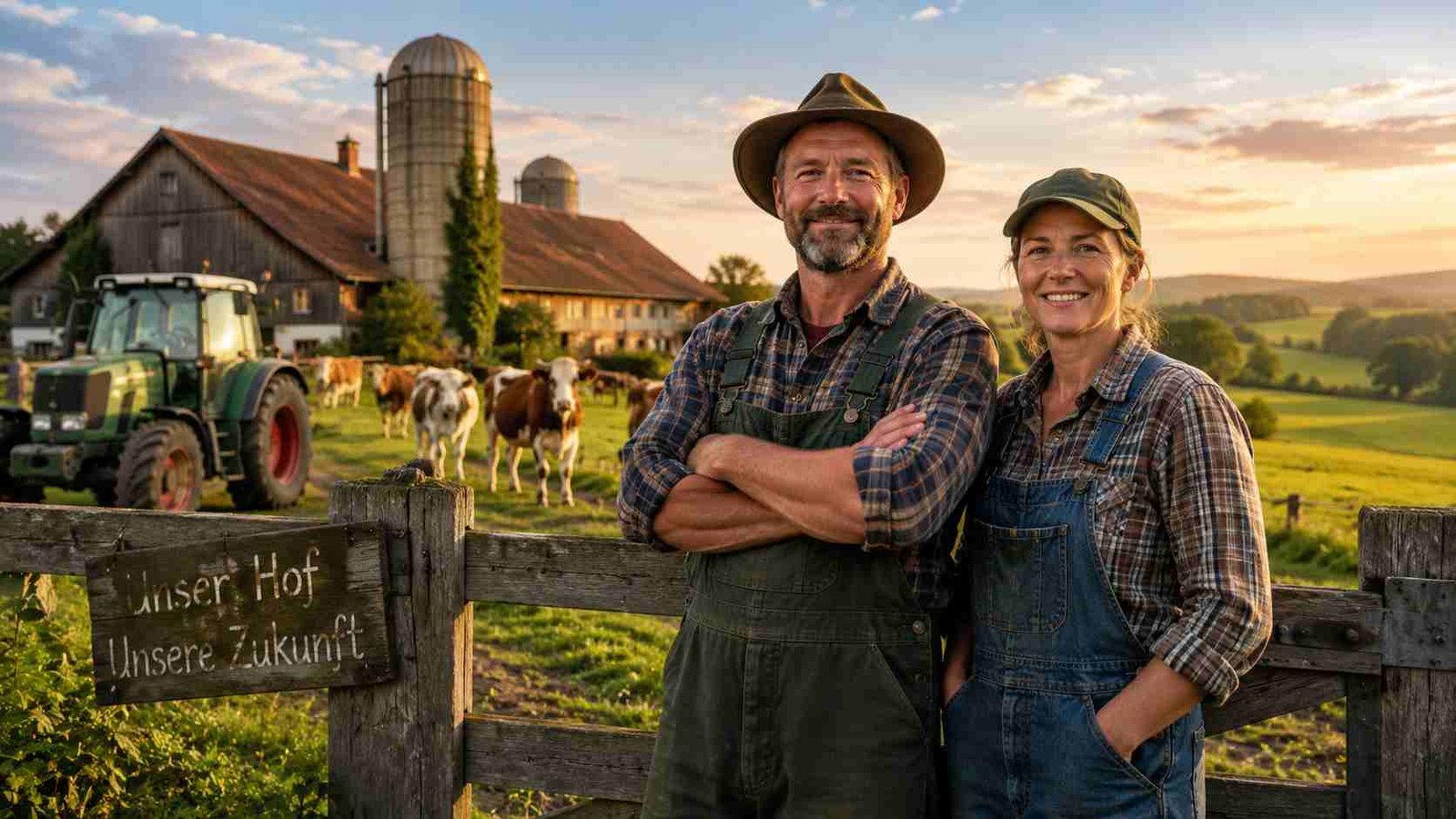
Introduction
The word baueren is gaining attention online, and many people are searching for its meaning. In most cases, baueren is actually a variation or common misspelling of the German word Bauern, which refers to farmers or rural agricultural workers. This keyword often appears in searches related to farming, countryside life, and German culture. Because of its linguistic confusion, users are often unsure whether it is a brand, a concept, or a historical term.
In reality, baueren connects deeply to agriculture and rural traditions. It represents the people who grow crops, raise animals, and support food production systems. Understanding this term helps us learn more about farming history, modern agriculture, and the importance of rural communities. In this article, we will explore the meaning of baueren, its historical background, different types of farmers, modern farming methods, and the challenges they face today. This gives a complete picture of how important farmers are in both traditional and modern societies.
What Does Baueren Mean?
The term “baueren” is closely related to the German word Bauern, which directly translates to “farmers” in English. In older contexts, it could also mean “peasants,” referring to people who worked on land owned by nobles or landowners during medieval times. Today, the word is mainly used to describe agricultural workers who cultivate land and produce food.
The origin of the word comes from the German verb bauen which means to build or to cultivate. Over time, Bauern became associated with people who worked the land. In modern usage, it refers to farmers in general, whether they are small family farmers or large commercial agricultural producers.
Unlike other agricultural terms that may refer to specific roles, bison represents a broad category of people involved in farming. It includes crop growers, livestock keepers, and dairy producers. The term is still widely used in Germany and is deeply connected to rural identity and agricultural heritage.
History of Baueren (Farmers in Germany & Europe)
The history of baueren goes back thousands of years when early European societies began settling and farming land. These early farmers formed the foundation of rural life and food production systems. During the medieval period, baueren played a key role in the feudal system. They worked on land owned by nobles and were responsible for producing food for the entire society.
In those times, farmers lived simple lives and depended heavily on manual labor and basic tools. Despite their hard work, they were often placed in lower social classes. However, their role was essential for survival and economic stability.
As centuries passed, agriculture evolved. The industrial revolution brought major changes, introducing machinery and reducing manual labor. This transformed baueren from traditional workers into more skilled agricultural professionals. Modern farming techniques replaced older methods, improving productivity and efficiency. Today, farmers use advanced tools, machinery, and technology, but their historical importance remains deeply respected in European culture.
Types of Baueren
Baueren are not all the same; they can be divided into different categories based on their farming methods and production goals. Subsistence farmers are those who grow food mainly for their own families. They rely on traditional methods and small land areas.
Commercial baueren, on the other hand, operate on a larger scale. They produce crops or livestock for sale in markets and contribute significantly to the economy. Dairy farmers specialize in milk production, while crop farmers focus on grains, vegetables, and fruits. Livestock farmers raise animals such as cattle, sheep, or poultry.
In recent years, organic farmers have become more common. They avoid chemicals and focus on natural farming methods. This type of farming is growing due to increased awareness of health and environmental issues. Each type of baueren plays a unique role in the agricultural system and contributes to food supply in different ways.
Role of Baueren in Agriculture
Baueren are the backbone of agriculture because they produce the food that sustains societies. From grains and vegetables to meat and dairy products, they ensure a continuous food supply. Without farmers, the global food chain would collapse.They also play an important role in the economy by generating income through agricultural production and exports. In rural areas, farming creates jobs and supports local communities. Additionally, bison contribute to environmental sustainability by maintaining farmland and using eco-friendly practices.
In global terms, farmers are essential for food security. As the world population grows, the demand for food increases. Baueren helped meet this demand by improving productivity and adopting modern farming methods. Their work ensures that both local and global populations have access to essential food resources.
Life of Modern Baueren
Modern baueren live very different lives compared to traditional farmers. Their daily routine often starts early in the morning and includes managing crops, feeding livestock, and operating machinery. Technology plays a major role in making farming more efficient.
Smart farming tools such as automated tractors, irrigation systems, and drones help farmers monitor crops and improve yields. Despite these advancements, farming remains physically demanding and dependent on weather conditions.
Many farmers face challenges such as fluctuating income and long working hours. Compared to urban workers, baueren often have less financial stability but enjoy a closer connection to nature and land. Their lifestyle combines traditional values with modern technology, creating a unique balance between old and new farming practices.
Challenges Faced by Baueren
Baueren face many difficulties in today’s world. Climate change is one of the biggest challenges, as unpredictable weather can damage crops and reduce productivity. Rising costs of seeds, fertilizers, and machinery also make farming more expensive.Market price instability is another major issue, where farmers may not always receive fair prices for their products. Labor shortages in rural areas further increase workload pressure on farmers.Government policies and subsidies can help, but they are not always consistent or sufficient. These challenges make farming a difficult profession, even though it is essential for human survival.
Importance of Baueren in Society
Baueren play a vital role in society by ensuring food availability. They are the foundation of the entire food chain. Without them, cities and industries would not have access to essential food products.
In rural communities, farmers also preserve cultural traditions and local knowledge. Their practices are often passed down through generations. Economically, they contribute significantly to national income through agriculture.
Their importance goes beyond food production; they also help maintain ecological balance and support rural development. This makes bayan one of the most important groups in any society.
Baueren and Modern Technology
Technology has completely changed modern farming. Tools like drones, sensors, and artificial intelligence help farmers monitor soil health and crop growth. Precision agriculture allows farmers to use water and fertilizers more efficiently.
Digital marketplaces allow buyers to sell their products directly to consumers. Automation in farming systems has also reduced manual labor and increased productivity.In the future, farming is expected to become even more advanced, with AI-powered machines and smart systems improving efficiency and sustainability.
Differences Between Traditional and Modern Baueren
Traditional bison relied on manual labor and simple tools, while modern farmers use advanced machinery and digital systems. Productivity has increased significantly due to technology.Modern farming is more sustainable and efficient, allowing better use of resources. However, traditional methods still hold cultural importance in many regions.
| Aspect | Traditional Baueren | Modern Baueren |
| Tools | Hand tools | Machines & AI |
| Productivity | Low | High |
| Labor | Manual | Automated |
| Sustainability | Limited | Improved |
Baueren in German Culture
In Germany, baueren are an important part of cultural identity. They are often featured in folklore, traditions, and festivals. Rural life is celebrated through events that honor farming heritage.There is also a cultural difference between urban and rural communities. Bauern represents simplicity, tradition and a strong connection to nature. This cultural identity remains strong even in modern society.
Economic Impact of Baueren
Farmers contribute significantly to the economy. Agriculture is a major part of GDP in many countries. Baueren also supports export industries by supplying food products globally.Local markets depend on farmers for fresh produce. Additionally, farming creates employment opportunities in rural areas, supporting millions of families worldwide.
Future of Baueren
The future of buying is closely linked to sustainability and technology. Climate-smart farming is becoming more important due to environmental concerns. Organic farming is also growing rapidly.AI and robotics will continue to transform agriculture. However, global food demand will increase, making farming even more important in the future.
Common Misconceptions About Baueren
Many people think farmers are uneducated or outdated, but this is not true. Modern bison use advanced knowledge and technology in their work.Farming is not a backward profession; it is one of the most essential and evolving industries. Also, not only rural people are involved in agriculture today, as modern systems include urban farming and industrial agriculture.
FAQ’s
1. What does Bauer mean in Germany?
In German, Bauer means farmer. It refers to a person who works on farms, grows crops, or raises animals.
2. What is bauer?
Bouer is not a correct German word. It is usually a misspelling of Bauer (farmer in German).
3. What does Bauer mean in Dutch?
In Dutch, boer is the correct word and it also means farmer. It is very similar to the German Bauer.
4. How do Dutch people say I love you?
In Dutch, I love you is:
👉 Ik hou van jou
5. What is German slang for hottie?
Common informal/slang words include:
👉 “Schönling” (good-looking guy)
👉 “Süßer / Süße” (cute person, sweetheart)
👉 “Hotter Typ” (direct slang, borrowed English)
6. Can I say “Ich bin gut”?
Yes, but it is not commonly used alone.
It means “I am good”, but Germans usually say:
👉 “Mir geht’s gut” (I am doing well)
7. What is moo moo in German?
moo moo is not a German word. It is just the sound a cow makes.
In German, a cow says:
👉 Muh
8. How do you say quickie in German?
The English slang quickie is understood in Germany too.
A more direct German way is:
👉 schneller Sex (quick sex)
9. How do you say weiner in German?
If you mean wiener (sausage):
👉 In German it is Wiener Würstchen (Vienna sausage)
If you mean slang (English usage), Germans usually don’t use that slang the same way.
10. What do Germans say instead of I love you?
The most common phrase is:
👉 Ich liebe dich (I love you)
More casual versions:
👉 Ich hab dich lieb (I care about you / love you in a soft way)
11. What does schnuckiputzi mean in German?
👉 Schnuckiputzi is a cute pet name
It means something like:
👉 sweetie, cutie or darling
It is used in a loving or playful way.
Conclusion
Baueren, or farmers, are the backbone of society and agriculture. They have played a crucial role throughout history and continue to support global food systems today. From traditional farming to modern technology-driven agriculture, their role has evolved but remains essential. Despite challenges like climate change and rising costs, bison continue to ensure food security and economic stability. Their contribution to culture, economy, and society makes them one of the most important professions in the world.
Looking for more Article? Check out my website for the latest content.