What Is Merchandising in Fashion? Everything Retailers Need to Know
Walk into any store that just feels right the clothes are easy to find, the colors flow together, and somehow you end up buying more than you planned. That’s not an accident. It’s the work of fashion merchandising, a behind-the-scenes discipline that shapes almost every buying decision customers make, whether they realize it or not.
If you’ve ever wondered what merchandising in fashion actually means, or how it’s different from marketing, this guide breaks it down in plain language, with real examples you can actually use whether you’re a student exploring the field, a retailer building a strategy, or someone just curious about how the fashion business really works.
Understanding Merchandising in Fashion
What Is Merchandising in Fashion, Exactly?
Fashion merchandising is the business side of the fashion industry. It focuses on getting the right products, in the right quantities, to the right customers, at the right time. Think of it as the bridge between design and sales merchandisers decide what gets produced, how much of it gets made, how it’s priced, and how it’s presented so that it actually sells once it reaches the store or website.
Here’s a simple way to picture it: a designer creates a floral summer dress because it looks beautiful on the runway. A merchandiser decides whether that dress should be produced in 500 units or 5,000, whether it should be priced at $40 or $80, and whether it launches in March (before summer demand peaks) or June (when it might already be too late). That decision-making process grounded in data, timing, and customer insight — is the real heart of merchandising.
How Is Fashion Merchandising Different from Marketing?
People often mix up merchandising and marketing, but they play very different roles in getting a product from the rack to the customer’s closet. Marketing is about creating awareness and desire think ad campaigns, influencer partnerships, and social media content that gets people excited about a brand before they’ve even seen the product in person. Merchandising, on the other hand, is about the product itself: deciding what to stock, how much to order, how to price it, and how to display it so it sells once the customer is already interested.
A useful way to see the difference is through a single product launch. Marketing might run a campaign announcing a new denim collection, complete with a celebrity photoshoot and a countdown on Instagram. Merchandising is what happens next making sure the right sizes are in stock, the jeans are displayed prominently near the store entrance, and the price point matches what the target customer expects to pay. Without merchandising, even the best marketing campaign can lead to empty shelves or unsold inventory.
Who Is a Fashion Merchandiser?
A fashion merchandiser is the professional responsible for making these behind-the-scenes decisions. They analyze sales data and market trends, plan product assortments, coordinate with buyers and designers, and often work closely with visual teams to ensure the final in-store or online experience matches the brand’s vision and financial goals.
In a mid-sized retail company, a merchandiser’s day might involve reviewing last week’s sales reports to see which colors sold fastest, adjusting an upcoming order based on that data, and then meeting with the visual team to plan how a new arrival will be displayed in-store. It’s a role that sits right at the intersection of business strategy and creative instinct part analyst, part trend-spotter, part storyteller.
The Core Responsibilities of Fashion Merchandising
Trend Forecasting: Predicting What Customers Will Want
Long before a new season’s clothes hit the shelves, merchandisers are already studying what’s coming next. They look at market data, past sales patterns, runway shows, and shifts in consumer behavior to predict which styles, colors, and sizes are likely to sell in the upcoming season. This isn’t guesswork it’s a structured process that often starts 6 to 12 months before a product ever reaches a store.
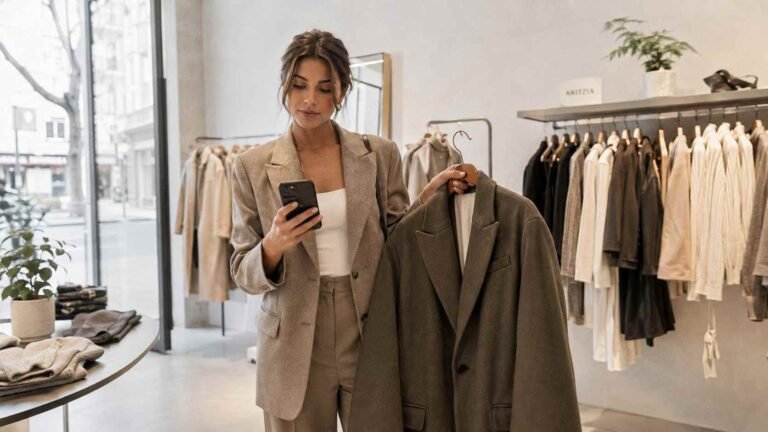
For example, if sales data shows that oversized blazers performed well last autumn and social media searches for “oversized blazer outfits” are climbing, a merchandiser might recommend increasing that category’s production for the next season. Get this right, and a store stays ahead of demand, selling through inventory at full price. Get it wrong, and shelves end up full of stock nobody wants, forcing steep markdowns later.
Assortment Planning: Choosing the Right Product Mix
Once trends are identified, merchandisers decide exactly what to stock. This means choosing the product mix, deciding how many units of each item to order, and setting prices that make sense for both the customer and the business. It’s a careful balancing act between variety and focus — too many options can overwhelm a customer, while too few can leave them without a compelling reason to buy.
Consider a small boutique planning its spring collection. Instead of ordering equal quantities of every style, an assortment plan might allocate more units to versatile basics (like plain t-shirts and denim) and fewer units to bold statement pieces (like a sequined jacket) that appeal to a smaller segment of shoppers. This kind of planning protects cash flow while still giving the store enough variety to attract different types of customers.
Visual Presentation: Creating an Appealing Shopping Experience
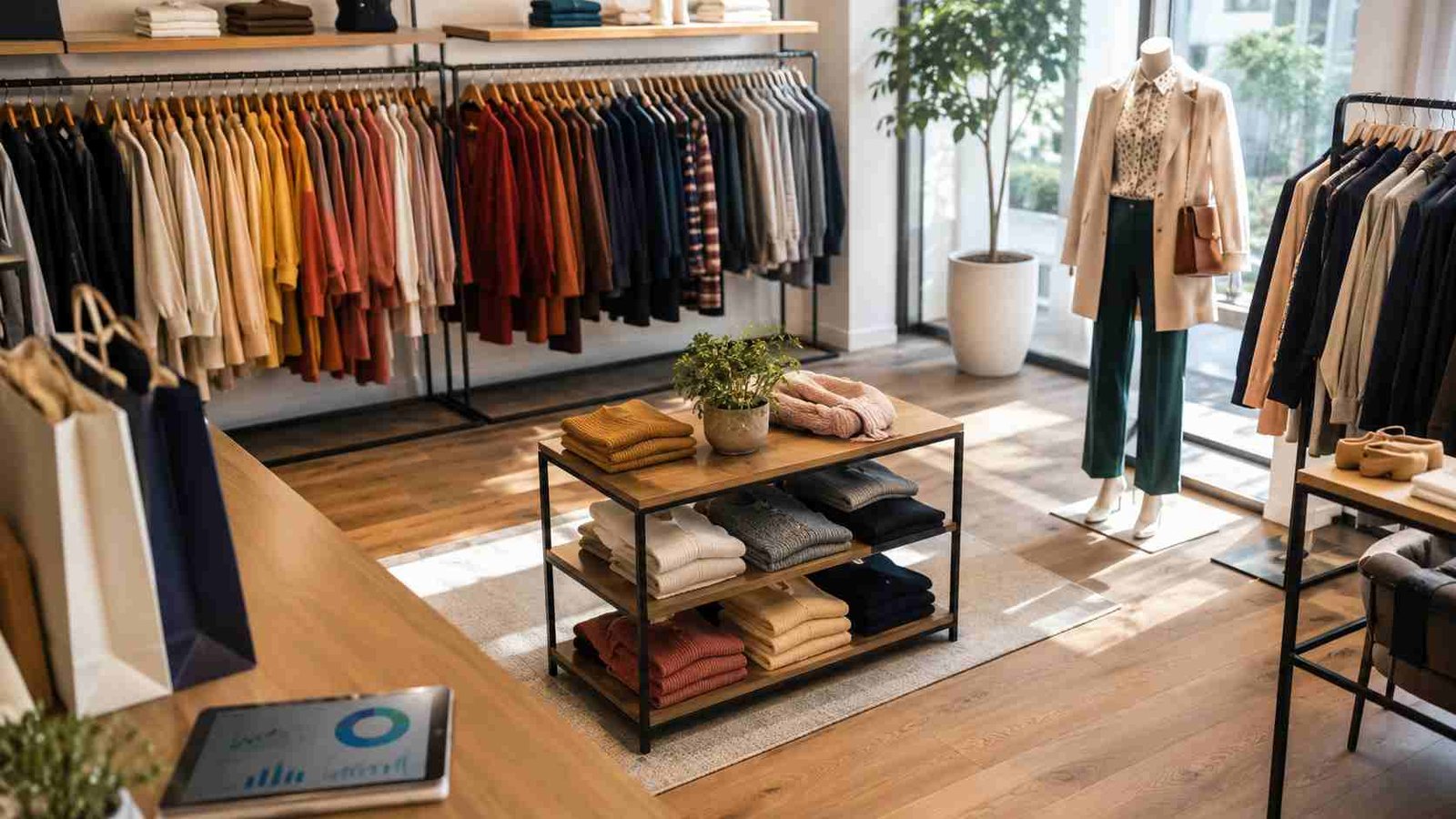
The final piece is presentation. Merchandisers design store layouts, plan window displays, and shape how products appear on websites all with the goal of drawing attention and encouraging purchases. This includes everything from where a mannequin stands near the entrance to how products are grouped by color or occasion on an e-commerce category page.
A well-known technique here is “story-based merchandising” for instance, grouping a blazer, trousers, and heels together on one mannequin to show a complete office outfit, rather than displaying each item separately. Online, this might look like a “Shop the Look” section beneath a product photo. Both examples turn a simple product into a suggestion, making it easier for the customer to imagine wearing it and easier for the store to sell multiple items in a single visit.
Key Differences You Should Know
Buying vs. Merchandising: What Sets Them Apart
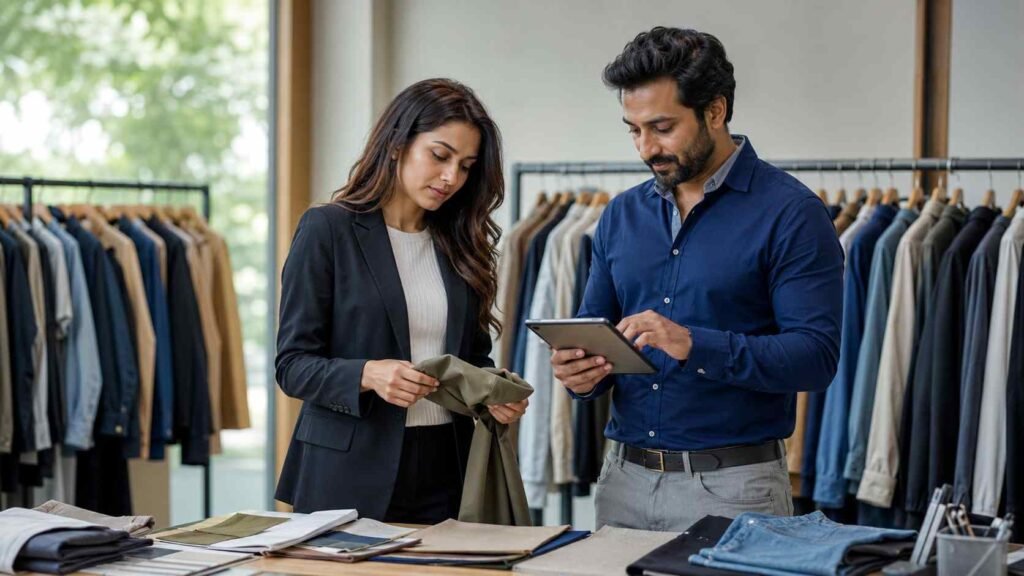
Buyers and merchandisers work closely together, but their focus isn’t the same. Buyers select the specific items and negotiate directly with suppliers, often working months in advance to secure the right products at the right cost. Merchandisers, meanwhile, manage the numbers behind those decisions pricing, stock allocation across different stores or regions, and how a product performs across its entire lifecycle, from launch to markdown.
To put it into perspective: a buyer might travel to a trade show and select a new handbag line to bring into the store. The merchandiser then decides how many of each color to order, which stores should receive the bestselling color first, and when to start discounting the style if it’s not moving fast enough. Buying is about sourcing the right product; merchandising is about making sure that product performs once it’s on the shelf.
What Is Visual Merchandising?
Visual merchandising is a more specialized branch within the larger field. It focuses purely on the physical or digital presentation of products window displays, in-store layouts, lighting, and web design all aimed at maximizing customer appeal and encouraging impulse purchases.
A classic example is a flagship store’s holiday window display, carefully themed and lit to stop foot traffic and draw people inside, even if they weren’t planning to shop. On an e-commerce site, the same principle shows up as high-quality lifestyle photography and curated homepage banners that guide a visitor’s eye toward featured collections. While general merchandising covers strategy and planning, visual merchandising is where that strategy becomes a visual, sensory experience for the shopper.
Why Merchandising Matters in the Fashion Industry
Helps Your Store Stand Out
In a crowded retail market, a strong merchandising strategy gives a store its own identity. Thoughtful product selection and presentation make a brand instantly recognizable and different from competitors selling similar items, even when the actual products aren’t dramatically different.
Take two stores selling similar casual wear: one arranges its floor by color-blocked sections with minimalist signage, while the other groups outfits by “weekend,” “work,” and “travel” themes. Even if their inventory overlaps significantly, each store creates a completely different shopping experience and customers remember that experience long after they’ve forgotten the exact products they bought.
Drives More Sales
Well-planned assortments and eye-catching displays don’t just look good they convert browsers into buyers. When customers can easily find what they want, and discover complementary items they didn’t know they needed, sales naturally increase, both in average order value and overall transaction frequency.
Retailers often see this play out with cross-merchandising: placing a scarf near a coat rack, or suggesting matching accessories alongside a dress on a product page. These small, deliberate placement decisions are known to lift add-on sales significantly, simply by putting a relevant item in front of a customer at the right moment.
Boosts Profit Margins
Smart merchandising means ordering the right amount of stock, pricing it appropriately, and reducing costly markdowns. This directly protects and improves profit margins over time, since excess inventory that has to be discounted eats directly into a retailer’s bottom line.
For example, a retailer that accurately forecasts demand for a limited-edition sneaker collaboration can sell through the entire run at full price, maximizing margin. A competitor that overestimates demand may end up slashing prices by 40-50% just to clear the same inventory, turning what should have been a profitable launch into a loss.
Builds Stronger Customer Loyalty
When shoppers consistently find products that match their taste and needs, they keep coming back. Good merchandising creates a shopping experience that feels personal and considered, rather than random, which builds long-term loyalty and repeat visits.
A customer who regularly finds well-curated, relevant recommendations whether in-store or through personalized online sections starts to trust that a particular retailer “gets” their style. That trust is often what separates a one-time shopper from a loyal, repeat customer who chooses that brand over competitors offering similar products.
Strengthens Your Brand Identity
Every product choice and every display decision communicates something about who a brand is. Consistent, intentional merchandising reinforces brand identity at every customer touchpoint, from the storefront window to the checkout counter to the online homepage.
A brand positioned around sustainability, for instance, might merchandise its stores with natural materials, minimal packaging displays, and signage highlighting eco-friendly fabrics. Every visual and product decision reinforces the same message, making the brand’s identity feel authentic and consistent rather than just a marketing slogan.
How to Become a Fashion Merchandiser
Start with the Right Education
Most fashion merchandisers begin with a degree or diploma in fashion merchandising, business, retail management, or a related field. This builds the foundation in trend analysis, buying principles, and retail math needed for the job, including how to read sales reports and calculate profit margins.
Many universities and fashion institutes now offer specialized merchandising programs that combine business coursework with hands-on fashion industry projects. Students often complete case studies analyzing real retail scenarios, which helps translate classroom theory into the kind of practical decision-making merchandisers use daily.
Gain Experience Through Internships
Classroom knowledge only goes so far. Internships give aspiring merchandisers real exposure to how buying, planning, and visual display actually work inside a retail business, often under the guidance of an experienced merchandising team.
An internship at a mid-sized retail brand, for example, might involve helping analyze weekly sales data, assisting with a store’s seasonal reset, or shadowing a merchandiser during vendor negotiations. These experiences often matter more to future employers than grades alone, since they demonstrate real, applied understanding of the role.
Land an Entry-Level Position
Roles like merchandising assistant, retail associate, or allocation analyst are common starting points. These positions build practical experience with inventory systems, sales data, and day-to-day retail operations before moving into more strategic responsibilities.
In many companies, a merchandising assistant might start by managing purchase orders and tracking shipment timelines, gradually taking on more analytical tasks like sales forecasting as they gain experience. This step-by-step progression is standard across most fashion retail organizations, both large and small.
Choose Your Area of Specialization
As experience grows, many merchandisers choose to specialize in visual merchandising, buying, planning, or a specific product category like footwear or accessories allowing them to develop deeper expertise in that niche.
Someone who enjoys the creative side of the job might move toward visual merchandising, focusing on store design and display strategy. Someone who prefers data and forecasting might specialize in planning, working closely with financial teams to manage budgets and inventory targets across an entire product category.
Keep Learning and Growing in the Field
Fashion trends and retail technology are constantly evolving, from AI-powered demand forecasting tools to shifting consumer habits around online shopping. Successful merchandisers stay current through industry events, courses, and hands-on experimentation with new tools and strategies.
Many professionals attend trade shows, follow retail analytics platforms, or take continuing education courses on data-driven merchandising to stay ahead. In a field where consumer behavior can shift within a single season, this ongoing learning isn’t optional — it’s part of staying relevant and effective in the role.
How to Build a Strong Fashion Merchandising Strategy
Gather Ideas and Inspiration
Every good strategy starts with research studying runway trends, competitor stores, social media platforms, and cultural shifts to understand where fashion is heading next. This stage is less about finalizing decisions and more about building a broad pool of ideas to draw from.
A merchandiser preparing for the next season might spend weeks reviewing fashion week collections, tracking emerging color palettes on platforms like Pinterest, and visiting competitor stores to see how similar brands are positioning their products. This research becomes the raw material for every decision that follows.
Understand Your Target Customer
A strategy is only as strong as its understanding of the customer. Knowing their preferences, shopping habits, budget, and lifestyle shapes every decision that follows, from which products to stock to how they should be displayed.
For example, a brand targeting busy working professionals might prioritize versatile, easy-to-style pieces and streamlined in-store navigation, while a brand targeting Gen Z shoppers might lean into trend-driven pieces and a highly visual, Instagram-friendly store layout. The same product category can require a completely different approach depending on who’s actually buying it.
Define Your Unique Perspective
With research and customer insight in hand, merchandisers develop a clear point of view — what the brand stands for and how its product offering should reflect that, rather than simply copying what competitors are already doing.
This might mean deciding that a brand will lead with bold, statement-making pieces even if they’re riskier to sell, because that’s core to the brand’s identity, while a competitor plays it safer with commercial basics. Having this clear perspective helps guide every future product and display decision consistently.
Plan the Right Product Mix
This is where strategy becomes concrete: deciding exactly which products to stock, in what quantities, and at what price points to meet demand without overstocking. It involves balancing new, trend-led items with reliable, ongoing bestsellers.
A well-planned mix might allocate 70% of a season’s budget to proven, steady-selling styles and 30% to newer, more experimental pieces that test emerging trends. This kind of ratio protects the business financially while still leaving room for fresh, exciting product that keeps customers engaged.
Tell a Visual Story That Sells
Finally, the product mix comes to life through visual storytelling displays, layouts, and design choices that guide the customer’s eye and make the shopping experience memorable, both in-store and online.
A seasonal launch might be supported by a themed window display, coordinated in-store signage, and matching digital banners that all tell the same visual story around a single concept, like “back to the office” or “weekend getaway.” This consistency across every touchpoint reinforces the product mix decisions made earlier and makes the entire strategy feel cohesive to the customer.
Conclusion
Merchandising in fashion isn’t just a back-office function it’s the strategy that quietly decides whether a great product actually turns into a great sale. From forecasting trends and planning the right product mix to creating displays that pull customers in, every piece works together to shape an experience that feels effortless to the shopper but is carefully engineered behind the scenes. Whether you’re managing a single boutique or planning inventory for an entire retail chain, treating merchandising as a core strategy rather than an afterthought is often what separates brands that thrive from those that simply survive.
Frequently Asked Questions
1. What does a fashion merchandiser do on a daily basis?
They review sales data, adjust stock orders, and coordinate with buyers or store teams on upcoming launches, making sure the right products reach the right stores at the right time.
2. Is fashion merchandising a good career choice?
Yes, it suits people who enjoy blending creativity with numbers, and demand for merchandisers stays fairly steady across department stores, e-commerce brands, and boutiques alike.
3. What skills do you need for fashion merchandising?
Strong analytical skills matter most, along with an eye for trends, comfort with retail software, and good communication for coordinating with buyers and design teams.
4. Do you need a degree to work in fashion merchandising?
A degree helps but isn’t always required. Many professionals start in entry-level retail roles and internships, then work their way up as they gain hands-on experience.
5. What is the difference between a fashion merchandiser and a fashion buyer?
A buyer sources and selects products, often negotiating with suppliers. A merchandiser decides how much to order, how to price it, and how to manage it once it’s already been bought.
6. How does fashion merchandising affect pricing?
Merchandisers set and adjust prices based on demand and competitor pricing, and often plan markdown schedules in advance to protect profit margins if sales fall short.
7. What tools do fashion merchandisers use?
Retail management software and sales analytics platforms are standard, with larger retailers increasingly using AI-driven tools to forecast trends faster and more accurately.
8. Can small fashion brands benefit from merchandising strategy?
Yes, often more than larger retailers, since small brands have less room for costly inventory mistakes. Even basic tracking of bestsellers can meaningfully improve cash flow and margins.