
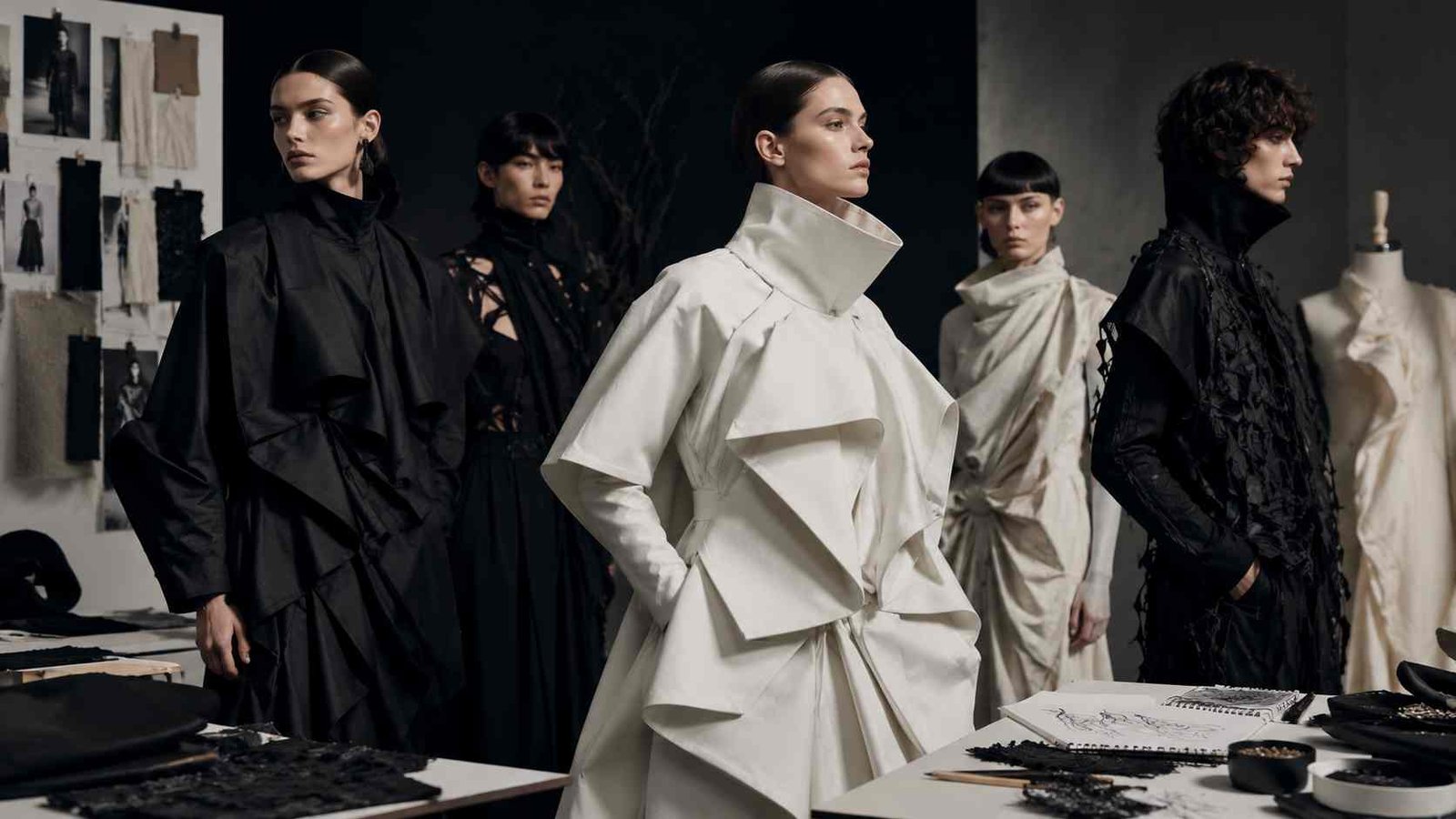
Avant-garde fashion is one of the most creative and thought-provoking styles in the fashion world. Instead of following popular trends, it challenges traditional ideas about clothing, beauty, and self-expression. If you’ve ever seen a dramatic runway outfit with unusual shapes, unexpected materials, or artistic details, you’ve likely encountered avant-garde fashion. While it may appear bold or even unusual at first, this style has played a major role in shaping modern fashion and inspiring designers worldwide.
If you’re wondering what is avant-garde fashion, this guide will help you understand its meaning, history, key features, and lasting influence. Whether you’re a fashion enthusiast, a student, or someone curious about unique clothing styles, this article explains everything in simple language while providing practical insights into one of fashion’s most innovative movements.
What Is Avant-Garde Fashion?
Avant-garde fashion is a style that pushes creative boundaries and challenges the traditional rules of clothing design. Rather than focusing only on what is practical or commercially popular, avant-garde designers create garments that express ideas, emotions, and artistic concepts. Their work often introduces new silhouettes, experimental fabrics, and unexpected construction techniques that inspire the entire fashion industry.
This fashion movement is about innovation rather than trends. Many avant-garde pieces are designed to make people think, spark conversations, or question common ideas about beauty and style. Although some runway designs appear dramatic, the creative techniques behind them often influence everyday fashion in subtle ways over time.
Understanding the Meaning of Avant-Garde
The term “avant-garde” comes from French and originally referred to the soldiers positioned at the front of an army. Over time, the phrase evolved to describe artists, musicians, writers, and designers who introduced new ideas before they became widely accepted. In fashion, avant-garde represents originality, experimentation, and creative freedom.
Today, understanding what is avant-garde fashion means recognizing that it is more than unusual clothing. It reflects a mindset that values innovation over convention. Designers use fashion as a form of storytelling, allowing garments to communicate ideas about culture, identity, technology, sustainability, or society itself.
Why This Style Stands Out From Traditional Fashion
Traditional fashion generally follows seasonal trends and aims to appeal to a broad audience. Clothing is often designed with commercial success and everyday wearability in mind. Avant-garde fashion, however, takes a completely different approach by prioritizing artistic vision over mass appeal.
Instead of creating familiar styles, avant-garde designers experiment with shape, proportion, texture, and construction. Oversized jackets, sculptural dresses, deconstructed tailoring, and unexpected fabric combinations are common examples. Even when these designs seem unconventional, they often inspire future collections from mainstream fashion brands.
Common Myths About Avant-Garde Fashion
One common misconception is that avant-garde fashion is only for runway models or celebrities. While fashion shows often feature highly artistic pieces, many designers also create wearable collections inspired by the same creative philosophy. Elements such as asymmetrical cuts, architectural tailoring, or layered styling can easily fit into everyday wardrobes.
Another myth is that avant-garde fashion has no purpose beyond attracting attention. In reality, many collections explore meaningful topics like sustainability, gender identity, environmental awareness, or modern technology. Every unusual design usually begins with a thoughtful concept, making the clothing both artistic and meaningful.
The Evolution of Avant-Garde Fashion
Avant-garde fashion has evolved through decades of artistic experimentation and cultural change. Every generation has introduced fresh perspectives that challenged traditional fashion standards. Although the style constantly changes, its core purpose remains the same: encouraging creativity without limitations.
From surrealist influences in the early twentieth century to today’s digital fashion innovations, avant-garde fashion continues to evolve while inspiring luxury brands, independent designers, and emerging artists around the world. Each era has added new techniques, materials, and design philosophies that shape the movement today.For readers interested in exploring historic fashion collections and exhibitions, The Costume Institute at The Metropolitan Museum of Art provides one of the world’s most respected archives dedicated to fashion history and design.
Early Artistic Influences
The roots of avant-garde fashion can be traced back to early artistic movements such as Surrealism, Dadaism, Cubism, and Futurism. These art movements encouraged creators to break conventional rules and explore imagination through unexpected forms and visual experiments.
Designers began applying these artistic ideas to clothing by creating garments that resembled sculptures rather than traditional outfits. Instead of simply dressing the body, fashion became a medium for expressing creativity and challenging accepted standards of beauty.
How Avant-Garde Fashion Changed Over the Decades
Throughout the twentieth century, avant-garde fashion transformed alongside social and cultural changes. During the 1960s and 1970s, designers experimented with futuristic materials, geometric shapes, and bold concepts inspired by space exploration and technological progress.
Later decades introduced deconstructed tailoring, oversized silhouettes, gender-fluid styling, and sustainable design approaches. Advances in textile technology also allowed designers to create garments that were once impossible to produce, helping avant-garde fashion become even more innovative.
Modern Designers Shaping the Movement Today
Today’s avant-garde designers combine traditional craftsmanship with advanced technology to create truly unique collections. Many incorporate 3D printing, laser cutting, recycled materials, and digital design software to develop clothing that blends fashion, engineering, and art.
Modern collections also reflect current social conversations surrounding sustainability, diversity, inclusivity, and personal identity. Rather than focusing only on appearance, contemporary avant-garde fashion encourages deeper discussions about how clothing reflects the changing world around us.
Key Features of Avant-Garde Fashion
Although every designer has a unique creative vision, certain characteristics appear repeatedly throughout avant-garde fashion. These elements distinguish the style from conventional clothing while showcasing originality and innovation.
Understanding these defining features makes it easier to recognize avant-garde fashion in runway collections, museum exhibitions, and even modern ready-to-wear designs. Together, they create garments that prioritize artistic expression over predictable trends.
Bold Shapes and Unconventional Silhouettes
One of the most recognizable features of avant-garde fashion is its dramatic silhouette. Designers frequently alter traditional proportions by using oversized sleeves, exaggerated shoulders, sculptural skirts, or asymmetrical cuts that reshape the body’s appearance.
These unusual forms are carefully planned rather than random. By changing familiar clothing structures, designers invite viewers to see the human body from an entirely different perspective while demonstrating exceptional technical skill.
Creative Fabrics and Experimental Textures
Avant-garde fashion often introduces materials that extend beyond traditional cotton, wool, or silk. Designers experiment with rubber, molded plastics, recycled textiles, metallic fabrics, mesh, paper-like materials, and even innovative bio-based textiles to create distinctive visual effects.
Texture also plays a major role. Layering contrasting fabrics, combining soft and rigid materials, or creating three-dimensional surfaces adds depth and artistic interest. These techniques transform clothing into wearable works of art while showcasing modern textile innovation.
Artistic Design Over Everyday Trends
Unlike trend-driven fashion, avant-garde design begins with a creative concept rather than seasonal popularity. A collection may explore architecture, nature, technology, history, or emotional experiences, with every garment supporting the central artistic vision.
Because of this approach, many avant-garde pieces appear timeless rather than tied to a specific season. Although not every design is intended for everyday use, the innovative techniques often influence future mainstream fashion collections.
Gender-Neutral and Boundary-Pushing Styles
Avant-garde fashion has long challenged traditional ideas about gender-specific clothing. Designers frequently create garments based on shape, movement, and creativity rather than labeling them as exclusively men’s or women’s fashion.
This inclusive philosophy encourages individuality and allows people to express themselves without strict fashion rules. Loose tailoring, flowing silhouettes, layered garments, and unconventional styling choices help create collections that appeal across gender boundaries.
Minimal Branding With Maximum Creativity
Unlike many luxury fashion brands that emphasize visible logos, avant-garde designers usually allow craftsmanship and design to become the main focus. Instead of relying on branding, they let construction techniques, unique silhouettes, and innovative details speak for themselves.
This approach highlights creativity over status symbols. Many fashion enthusiasts appreciate avant-garde clothing because it reflects personal taste, artistic appreciation, and originality rather than simply displaying recognizable designer labels.
Avant-Garde Fashion vs Other Fashion Styles
Many people admire avant-garde clothing but confuse it with other fashion styles. While some styles share certain characteristics, each has its own purpose, design philosophy, and audience. Understanding these differences makes it easier to recognize what truly defines avant-garde fashion.
The biggest distinction is that avant-garde fashion focuses on creative expression before commercial appeal. Other styles may prioritize craftsmanship, simplicity, or street culture, whereas avant-garde designers aim to introduce fresh ideas that challenge the way people think about clothing.
Avant-Garde vs Haute Couture
Avant-garde fashion and haute couture are often associated with luxury, but they are not the same. Haute couture refers to custom-made garments created with exceptional craftsmanship, premium materials, and precise tailoring. These pieces are usually produced for individual clients and follow strict standards established by the French fashion industry.
Avant-garde fashion, on the other hand, is defined by innovation rather than exclusivity. A garment can be avant-garde without being haute couture, and a haute couture piece does not necessarily have to be experimental. While some designers successfully combine both approaches, their primary goals remain different—one emphasizes artistic innovation, while the other focuses on craftsmanship and personalization.
Avant-Garde vs Minimalist Fashion
Minimalist fashion values simplicity, clean lines, neutral colors, and timeless pieces that are easy to wear every day. It encourages buying fewer, high-quality garments that remain stylish for years. The overall look is refined, balanced, and free from unnecessary decoration.
Avant-garde fashion often moves in the opposite direction. Designers may use dramatic proportions, unexpected layering, sculptural forms, and bold construction techniques to create visual impact. However, some avant-garde collections also use minimal colors such as black, white, or gray, proving that simplicity in color does not always mean minimalist design.
Avant-Garde vs Streetwear
Streetwear grew from youth culture, skateboarding, hip-hop, and sportswear. Hoodies, sneakers, oversized shirts, graphic prints, and casual silhouettes define this style. Comfort and cultural identity play major roles in streetwear’s popularity.
Avant-garde fashion occasionally borrows elements from streetwear, but its purpose is different. Instead of following cultural trends, it focuses on conceptual design and artistic storytelling. Some modern designers blend the two styles, creating collections that combine everyday comfort with experimental tailoring and architectural silhouettes.
How to Recognize the Differences
One of the easiest ways to identify avant-garde fashion is to look beyond appearance and consider the designer’s intention. If the clothing tells a story, challenges expectations, or explores a creative concept, it is likely inspired by avant-garde principles.
Pay attention to construction, silhouette, and material choices rather than logos or trends. Unusual proportions, innovative fabrics, and handcrafted details often reveal an artistic approach that separates avant-garde fashion from other popular styles.
Influential Designers Who Defined Avant-Garde Fashion
The history of avant-garde fashion has been shaped by visionary designers who challenged accepted standards and inspired generations of creative thinkers. Their work continues to influence luxury fashion houses, emerging designers, and fashion students around the world.
These pioneers introduced new techniques, fresh perspectives, and groundbreaking collections that transformed fashion into an art form. Many ideas that once seemed radical are now widely accepted throughout the industry.
Japanese Fashion Innovators
Japanese designers played a major role in bringing avant-garde fashion to the global stage during the late twentieth century. Designers such as Rei Kawakubo, Yohji Yamamoto, and Issey Miyake challenged Western ideas of tailoring by introducing oversized silhouettes, asymmetrical designs, monochromatic palettes, and innovative fabric techniques.
Their collections demonstrated that clothing could express emotion and philosophy rather than simply follow beauty standards. Their influence continues today, inspiring countless designers to experiment with shape, texture, and movement while respecting craftsmanship.
European Designers Who Changed the Industry
Europe has also produced several influential avant-garde designers whose creative work reshaped modern fashion. Martin Margiela became famous for deconstructed garments, exposed seams, and unconventional presentations that questioned traditional luxury fashion.
Alexander McQueen combined exceptional tailoring with dramatic storytelling, creating unforgettable runway shows that explored history, nature, and human emotion. Designers such as Ann Demeulemeester and Rick Owens further expanded avant-garde fashion through dark aesthetics, architectural silhouettes, and strong artistic identities.
Contemporary Designers Leading the Future
Today’s avant-garde movement continues to evolve through designers who combine traditional craftsmanship with modern technology. Iris van Herpen, for example, has become internationally recognized for integrating 3D printing, engineering, and innovative materials into breathtaking couture collections.
Many emerging designers now experiment with artificial intelligence, sustainable textiles, digital fashion, and virtual reality to push creative boundaries even further. Their work shows that avant-garde fashion remains one of the most innovative areas of the fashion industry.
Why Avant-Garde Fashion Continues to Inspire
Despite changing trends, avant-garde fashion remains highly influential because it constantly introduces fresh ideas. Designers are not limited by commercial expectations, allowing them to explore concepts that later shape mainstream fashion.
Many runway innovations eventually appear in ready-to-wear collections after being adapted for everyday consumers. This cycle keeps the fashion industry moving forward while encouraging creativity and technical development.
Fashion as a Form of Self-Expression
Avant-garde fashion encourages people to express their personalities without worrying about traditional style rules. Instead of dressing to fit in, wearers use clothing to communicate confidence, creativity, beliefs, or artistic interests.
For many individuals, fashion becomes a visual language that reflects their identity. Even incorporating a single avant-garde-inspired garment into a wardrobe can help create a unique personal style that feels authentic.
The Connection Between Art and Clothing
One reason avant-garde fashion attracts so much attention is its close relationship with art. Designers often draw inspiration from sculpture, architecture, painting, music, literature, and contemporary social issues when developing new collections.
As a result, garments often resemble moving sculptures rather than ordinary clothing. Museums around the world frequently display avant-garde fashion alongside fine art because of its cultural significance and exceptional craftsmanship.
Its Influence on Modern Fashion Trends
Many fashion trends that seem ordinary today began as experimental avant-garde concepts years earlier. Oversized blazers, deconstructed denim, asymmetrical dresses, layered styling, and gender-neutral clothing all gained popularity after designers introduced them through more artistic collections.
Luxury brands and high-street retailers regularly adapt these ideas into wearable versions for everyday consumers. This lasting influence demonstrates how avant-garde fashion continues to shape the future of clothing design.
How to Wear Avant-Garde Fashion in Everyday Life
Although runway collections may appear dramatic, incorporating avant-garde fashion into daily life is easier than many people expect. The key is balancing artistic pieces with practical wardrobe essentials.
Rather than changing your entire style overnight, begin with small adjustments that reflect your personality. This approach allows you to enjoy creative fashion while maintaining comfort and confidence.
Choose One Statement Piece First
A simple way to begin is by selecting one standout garment, such as an oversized jacket, asymmetrical shirt, sculptural coat, or uniquely designed pair of trousers. Keeping the rest of the outfit simple allows the statement piece to remain the focal point.
This method helps you explore avant-garde fashion without feeling overwhelmed. It also makes bold designs easier to style for work, casual outings, or creative events.
Balance Bold Designs With Simple Basics
Pairing artistic clothing with classic wardrobe staples creates a balanced appearance. Neutral jeans, tailored trousers, plain knitwear, or clean sneakers help make experimental garments feel more approachable.
Choosing a restrained color palette also prevents the outfit from appearing overly busy. Black, white, gray, beige, and earth tones often complement avant-garde designs while highlighting their unique construction.
Focus on Proportion and Layering
Successful avant-garde styling depends heavily on proportion. If one garment features oversized volume, balance it with slimmer pieces elsewhere in the outfit. This creates harmony while allowing the unusual silhouette to stand out naturally.
Layering is another important styling technique. Combining different lengths, textures, and lightweight fabrics adds depth without making the outfit uncomfortable. Thoughtful layering also reflects one of the defining characteristics of avant-garde fashion.
Build a Stylish Avant-Garde Wardrobe on Any Budget
Building an avant-garde-inspired wardrobe does not require purchasing expensive designer collections. Many independent brands offer creative pieces at more accessible prices, while vintage and second-hand stores often carry unique garments with interesting construction.
You can also achieve the look by focusing on quality basics, experimenting with layering, and choosing accessories with distinctive shapes. Developing your personal style gradually is often more rewarding than chasing expensive labels, making avant-garde fashion accessible regardless of budget.
Where to Shop for Avant-Garde Fashion
Finding avant-garde fashion has become much easier than it was a decade ago. While luxury fashion houses remain the most recognized source, independent designers, concept stores, and online retailers now offer a wide range of creative clothing for different budgets. Whether you’re looking for a collectible designer piece or simply want to experiment with the style, there are plenty of options available.
The best place to shop depends on your goals. Collectors often seek limited-edition runway pieces, while beginners may prefer versatile garments inspired by avant-garde design. Taking time to compare quality, craftsmanship, and materials is more valuable than focusing only on brand names.
Luxury Designer Collections
Luxury fashion houses are often where the most innovative avant-garde collections debut. These garments showcase exceptional craftsmanship, premium fabrics, and groundbreaking construction techniques. Many runway collections eventually become part of museum exhibitions because of their artistic value and influence on fashion history.
Although designer pieces can be expensive, they also demonstrate the highest level of creativity and technical skill. If purchasing isn’t practical, browsing runway collections online or visiting fashion exhibitions can still provide inspiration and help you better understand the philosophy behind avant-garde fashion.
Independent Fashion Labels
Independent designers are often responsible for some of today’s most exciting avant-garde creations. Without the pressure of following mainstream trends, they have greater freedom to experiment with silhouettes, textiles, and sustainable production methods.
Supporting independent labels also encourages originality within the fashion industry. Many smaller brands produce limited collections with careful attention to detail, giving customers access to unique garments that stand apart from mass-produced fashion.
Affordable Ways to Explore the Style
You don’t need a luxury budget to enjoy avant-garde fashion. Vintage stores, thrift shops, resale platforms, and local designer markets often offer interesting pieces that reflect the style’s creative spirit at much lower prices.
Another affordable approach is to build outfits using simple wardrobe basics while adding one or two artistic elements. An asymmetrical jacket, oversized shirt, sculptural accessory, or uniquely tailored pair of trousers can create an avant-garde-inspired look without requiring a complete wardrobe overhaul.
Conclusion
Avant-garde fashion is more than a bold clothing style—it’s a celebration of creativity, individuality, and innovation. Instead of following trends, it encourages people to express themselves through unique designs, experimental silhouettes, and artistic ideas. Whether you’re exploring runway collections or adding subtle avant-garde pieces to your everyday wardrobe, this fashion movement proves that clothing can be both functional and meaningful. As the industry continues to embrace sustainability, new technologies, and inclusive design, avant-garde fashion will remain a powerful source of inspiration for designers and fashion lovers alike.
Frequently Asked Questions
1. What is avant-garde fashion in simple words?
Avant-garde fashion is a creative style of clothing that breaks traditional fashion rules. It focuses on originality, artistic expression, and innovative design instead of following popular trends.
2. Is avant-garde fashion only for fashion shows?
No. While many runway collections are highly artistic, everyday clothing can also include avant-garde elements such as asymmetrical cuts, oversized silhouettes, unique layering, or creative tailoring.
3. Who are the most famous avant-garde fashion designers?
Some of the best-known designers include Rei Kawakubo, Yohji Yamamoto, Issey Miyake, Martin Margiela, Alexander McQueen, Rick Owens, and Iris van Herpen. Their work has greatly influenced modern fashion.
4. Why is black so common in avant-garde fashion?
Black highlights shape, texture, and construction without distracting from the design itself. Many designers use it to emphasize creativity, although avant-garde fashion is not limited to black clothing.
5. Can beginners wear avant-garde fashion?
Yes. The easiest way to start is by adding one statement piece to a simple outfit. This creates a balanced look while helping you become comfortable with the style.
6. Is avant-garde fashion expensive?
Designer collections can be costly, but affordable options are available through independent brands, vintage shops, thrift stores, and second-hand marketplaces. You can achieve the look without spending a fortune.
7. What is the difference between avant-garde and haute couture?
Avant-garde fashion focuses on innovation and artistic concepts, while haute couture emphasizes luxury craftsmanship and custom-made garments. A design can belong to one category or combine elements of both.
8. Is avant-garde fashion still popular today?
Yes. Avant-garde fashion continues to influence luxury brands, independent designers, and everyday fashion. Trends such as oversized silhouettes, deconstructed tailoring, gender-neutral clothing, and experimental materials all reflect its ongoing impact on the fashion industry.