Tarnplanen: Complete Guide to Camouflage Tarps for Outdoor and Tactical Use
Whether you’re preparing for a camping trip, building a survival shelter, or looking for effective concealment in the outdoors, tarnplanen can be an incredibly useful piece of equipment. Designed to blend into natural environments, these camouflage tarps are valued for their versatility, durability, and ability to provide reliable protection in a wide range of situations.
Today, tarnplanen is used by outdoor enthusiasts, hunters, wildlife photographers, and military professionals around the world. While its original purpose was primarily tactical, modern camouflage tarps have become a practical solution for anyone who spends time in nature. This guide explains what tarnplanen is, how it works, where it is used, and what makes it such a dependable outdoor tool.
What Is Tarnplanen and Why Is It Popular?
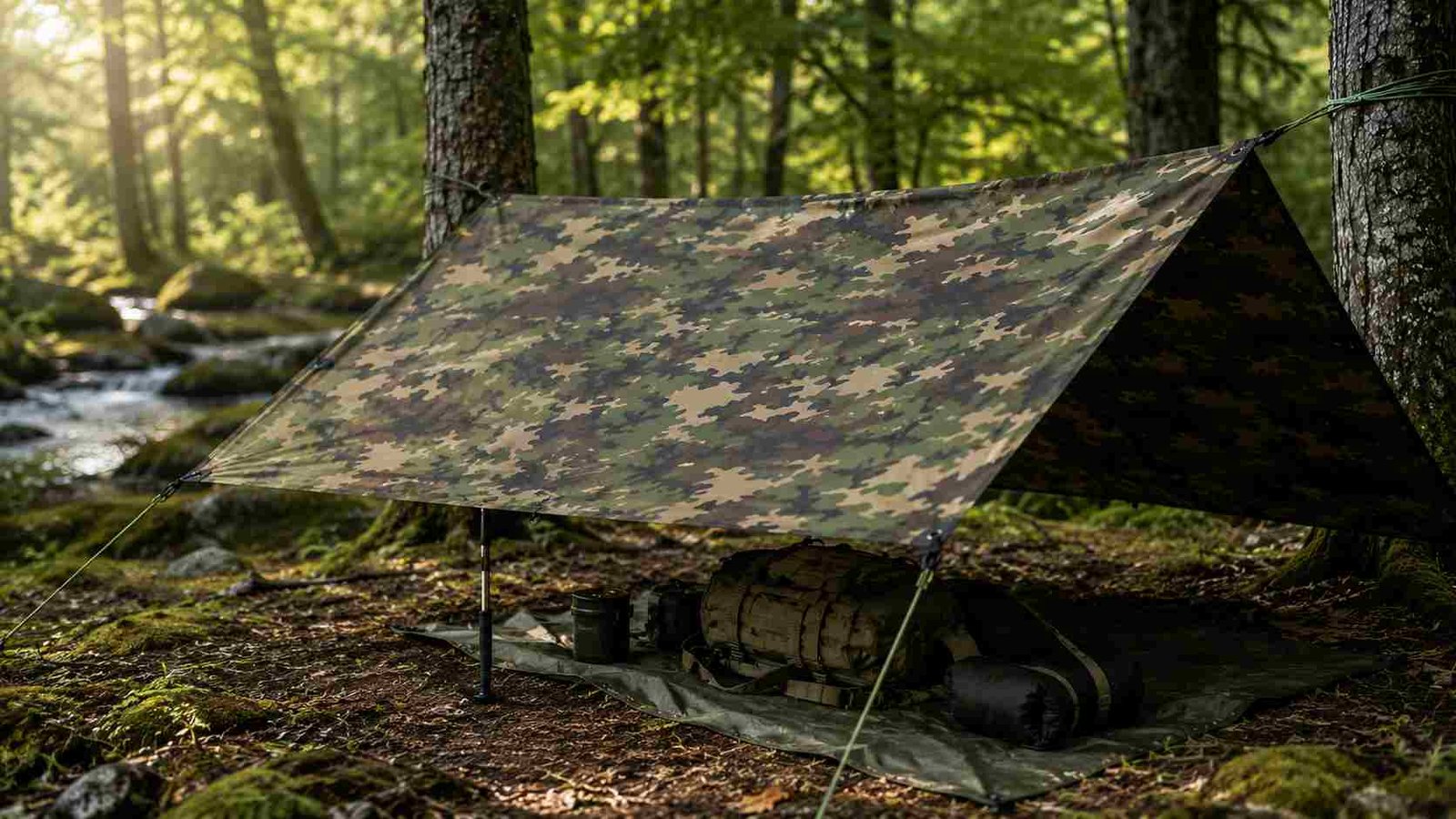
Tarnplanen is a camouflage tarp designed to reduce visibility while offering shelter and protection outdoors. The word is commonly associated with military-style camouflage covers that help equipment, vehicles, campsites, or temporary shelters blend into forests, grasslands, or other natural surroundings. Depending on the design, a tarnplanen can also protect against sunlight, rain and wind.
Its popularity has grown because it serves many purposes beyond tactical use. Campers appreciate its lightweight design and flexibility, while survival enthusiasts value its ability to create emergency shelters in remote locations. Hunters and wildlife photographers also rely on camouflage tarps to stay less noticeable without disturbing animals. Because one tarp can perform several different tasks, it has become a practical investment for outdoor adventures.
Main Benefits of Using Tarnplanen
One of the biggest advantages of tarnplanen is its versatility. Unlike standard tarps that simply provide overhead cover, camouflage tarps are designed to combine weather protection with visual concealment. This makes them useful for camping, outdoor work, emergency preparedness and recreational activities. Many modern options are waterproof, UV-resistant, and resistant to tearing, allowing them to perform well in changing weather conditions.
Another major benefit is portability. Most tarnplanen models fold into a compact size and weigh very little, making them easy to carry in a backpack or emergency kit. They can quickly become a rain shelter, ground sheet, equipment cover, or windbreak. Instead of carrying several different items, outdoor users often depend on a single camouflage tarp to perform multiple roles throughout their trip.
Common Ways Tarnplanen Is Used
The practical applications of tarnplanen continue to expand as more people discover its flexibility. While military organizations have used camouflage tarps for decades, outdoor recreation has introduced many additional uses. Whether protecting valuable equipment or creating temporary living spaces, tarnplanen adapts to different environments with very little setup.
Modern outdoor enthusiasts often carry one as part of their standard gear because it can solve unexpected problems. A sudden rainstorm, harsh sunlight, or lack of natural shelter can quickly change an outdoor experience. Having a reliable camouflage tarp available allows users to respond quickly without carrying heavy or complicated equipment.
Military and Tactical Operations
Military forces commonly use tarnplanen to conceal personnel, vehicles, observation posts, and temporary field camps. Proper camouflage helps reduce visibility from long distances while allowing soldiers to operate more safely in different environments. Advanced camouflage patterns are carefully developed to match forests, deserts, snow-covered terrain, or mixed landscapes depending on the mission.
Beyond concealment, tarnplanen also protects valuable equipment from rain, dust, and excessive sunlight. Communication systems, supplies, and vehicles often remain covered during extended field operations to reduce weather exposure. Reinforced construction allows these tarps to withstand demanding conditions where reliability is essential.
Camping, Bushcraft and Survival
Campers frequently use tarnplanen instead of traditional tents when they want a lightweight and flexible shelter. A tarp can be configured into several shelter styles, including A-frame shelters, lean-to structures, diamond shelters, or simple overhead covers. This adaptability makes it useful in forests, mountains, and open campsites where conditions may change throughout the day.
Bushcraft and survival enthusiasts particularly value tarnplanen because it supports many essential outdoor skills. Besides providing shelter, it can collect rainwater, protect firewood, cover gear, or serve as an emergency sleeping cover. During survival situations, a well-positioned tarp may help maintain body temperature by blocking wind and reducing exposure to rain.
Hunting and Wildlife Observation
Hunters often use tarnplanen to build temporary blinds that help them remain hidden while observing game. Effective camouflage reduces movement visibility, allowing animals to behave naturally without becoming alarmed. Combined with careful positioning and quiet movement, camouflage tarps can significantly improve observation opportunities in many habitats.
Wildlife photographers also benefit from using tarnplanen when photographing birds and wild animals. Instead of disturbing natural behavior, photographers can remain concealed while waiting for the perfect shot. This approach often results in more authentic wildlife images because animals continue their normal routines without reacting to nearby human activity.
Choosing the Right Tarnplanen Material
The material used in a tarnplanen has a direct impact on its durability, weight, weather resistance, and overall performance. A tarp that works well for weekend camping may not be suitable for extended survival trips or demanding field conditions. Before buying one, think about where you plan to use it most often and what kind of weather it will face.
Modern camouflage tarps are available in several materials, each with its own strengths. Some focus on being lightweight for easy transport, while others prioritize toughness for long-term outdoor use. Understanding these differences helps you choose a tarnplanen that matches your needs instead of paying for features you may never use.
Lightweight Synthetic Fabrics
Most modern tarnplanen products are made from polyester or nylon because these fabrics offer an excellent balance of strength and portability. They resist moisture, dry quickly after rain, and are much lighter than traditional canvas. Many models also include waterproof coatings that improve protection during heavy showers while keeping the overall weight low.
These lightweight materials are especially popular among hikers, backpackers, and campers who need to carry their gear over long distances. A compact synthetic tarp fits easily into a backpack without adding unnecessary weight. Despite being lightweight, high-quality nylon and polyester fabrics can withstand regular outdoor use when properly maintained.
Heavy-Duty Canvas Options
Canvas tarnplanen remains a favorite for users who value durability above everything else. Although canvas is heavier than synthetic materials, it offers excellent resistance to abrasion and can handle rough environments without tearing easily. This makes it a dependable choice for long-term camps, hunting shelters, and demanding outdoor work.
Another advantage of canvas is its quieter surface. Unlike some synthetic fabrics that create noticeable noise in strong winds, canvas generally remains quieter, making it useful for hunters and wildlife observers who need to avoid sudden sounds. With proper care and waterproof treatment, a quality canvas tarp can provide many years of reliable service.
Reinforced Edges and Attachment Points
A strong tarp is only as reliable as its attachment system. Reinforced edges help distribute tension evenly, reducing the chance of tears when the tarp is stretched tightly. Double-stitched seams and strengthened corners also improve durability during repeated setup and removal.
Metal grommets or reinforced attachment loops allow users to secure the tarnplanen safely with ropes, cords, or stakes. These connection points are especially important in windy conditions, where weak eyelets can fail under pressure. Investing in a tarp with reinforced attachment points often results in better long-term performance and fewer repairs.
Camouflage Designs and Color Options
Camouflage patterns play an important role in how effectively a tarnplanen blends into its surroundings. Different environments require different color combinations, so choosing the right pattern improves concealment. Woodland designs typically feature green and brown shades, while desert camouflage uses tan and sandy colors to match dry landscapes.
Some manufacturers also produce digital camouflage patterns that break up outlines more effectively at varying distances. Others offer reversible designs with different colors on each side, allowing users to adapt to changing environments. Selecting a camouflage pattern that closely matches your surroundings is usually more effective than relying on a single universal design.
How to Set Up Tarnplanen Effectively
Even the highest-quality tarnplanen performs best when it is set up correctly. Good placement improves protection from weather while helping the tarp blend naturally into the environment. Before unpacking the tarp, take a few minutes to study the terrain, wind direction, and available anchor points.
Proper setup also increases safety and extends the tarp’s lifespan. A tightly secured tarp is less likely to flap in strong winds, reducing wear on the fabric and attachment points. Learning a few basic setup techniques can make outdoor shelters more stable, comfortable, and reliable in changing weather conditions.
Select the Right Location
The first step is choosing a suitable location for your tarnplanen. Look for level ground that drains well during rain, avoiding areas where water may collect. Natural features such as trees, rocks, or gentle slopes can provide additional protection from wind while offering convenient anchor points.
Avoid placing the tarp beneath dead tree branches or unstable rocks that could become hazards during storms. If possible, position your shelter where morning sunlight can help dry condensation while still providing shade during the hottest part of the day. A thoughtful location makes the shelter safer and more comfortable.
Blend With the Natural Surroundings
A camouflage tarp works best when it becomes part of the surrounding landscape rather than standing out. Position the tarnplanen so its colors match nearby vegetation, soil, or terrain. Small adjustments in placement often make a significant difference in reducing visibility.
You can further improve concealment by carefully adding natural materials such as branches, leaves, or grass around the shelter. However, avoid covering ventilation areas or creating unnecessary weight on the tarp. The goal is to enhance the camouflage without damaging the material or reducing airflow inside the shelter.
Secure It for Wind and Weather
Strong winds can quickly turn a poorly secured tarp into a problem. Use quality ropes, guy lines, and sturdy stakes to keep the tarnplanen tight and stable. Maintaining even tension across the fabric reduces flapping, which helps prevent premature wear and minimizes noise during windy conditions.
It’s also important to create a slight slope so rainwater runs off instead of collecting on top of the tarp. Standing water increases weight and places unnecessary stress on the fabric and attachment points. Checking the tension periodically during changing weather keeps the shelter secure throughout your trip.
Avoid Common Camouflage Mistakes
One common mistake is placing the tarp where it contrasts sharply with the surrounding environment. For example, using a dark woodland pattern in an open grassy field can actually make the shelter more noticeable. Always choose a location and camouflage pattern that naturally blend together.
Another frequent error is overstretching the tarp or using weak anchor points. Excessive tension may damage seams and grommets over time, while loose ropes allow the tarp to move excessively in the wind. Taking a few extra minutes to secure the setup properly improves both durability and overall performance, especially during extended outdoor use.
How to Choose the Best Tarnplanen for Your Needs
Choosing the right tarnplanen starts with understanding how you plan to use it. If you mainly enjoy weekend camping or hiking, a lightweight waterproof tarp is usually the best option because it is easy to pack and quick to set up. On the other hand, if you need a tarp for hunting camps, long-term shelters, or demanding outdoor work, a heavier and more durable model may be worth the extra weight.
Before making a purchase, compare features such as size, weight, waterproof rating, reinforced corners, and attachment points. A larger tarp offers more coverage but requires additional space and support during setup. Reading product specifications carefully helps ensure you buy a tarnplanen that performs well in the environments where you spend the most time.
Care, Cleaning and Storage Tips
Proper maintenance can significantly extend the life of your tarnplanen. After every trip, remove dirt, leaves, and mud using clean water and a soft brush. If the tarp becomes heavily soiled, use mild soap instead of harsh cleaning chemicals, as strong detergents may damage waterproof coatings or weaken the fabric over time.
Always allow the tarp to dry completely before folding and storing it. Packing a damp tarp can lead to mold, mildew, unpleasant odors, and fabric deterioration. Store it in a cool, dry location away from direct sunlight, and inspect it regularly for small tears or worn attachment points so repairs can be made before the next adventure.
Rules and Responsible Use of Tarnplanen
Although tarnplanen is legal to own and use in many places, users should always follow local laws and land management regulations. Some parks, wildlife reserves, and protected natural areas have rules regarding temporary shelters, camouflage equipment, or overnight camping. Checking these regulations before your trip helps avoid unnecessary problems.
Responsible use also means respecting nature and other outdoor visitors. Avoid damaging trees when securing ropes, remove all equipment before leaving, and never leave litter behind. Following Leave No Trace principles ensures natural areas remain clean and enjoyable for everyone while protecting wildlife and the environment.
Frequently Asked Questions
1. What is tarnplanen used for?
Tarnplanen is mainly used as a camouflage tarp for camping, hunting, military training, survival shelters, equipment protection, and outdoor activities where weather protection and concealment are important.
2. Is tarnplanen waterproof?
Many modern tarnplanen models are waterproof or water-resistant thanks to protective coatings. However, waterproof performance depends on the material and manufacturer.
3. Can tarnplanen replace a camping tent?
Yes. A properly installed tarnplanen can provide reliable shelter from rain, wind, and sunlight. Many experienced campers and bushcraft enthusiasts use tarps instead of traditional tents.
4. Which material is best for tarnplanen?
There is no single best material. Nylon and polyester are ideal for lightweight travel, while canvas offers greater durability and quieter performance for long-term outdoor use.
5. How do I clean a tarnplanen?
Wash it with clean water and mild soap when necessary. Avoid bleach or strong chemicals, and always let the tarp dry completely before storing it.
6. Are camouflage tarps legal to use?
In most regions, yes. However, you should always follow local regulations regarding camping, hunting, military-style equipment and protected natural areas.
7. How long does a tarnplanen last?
A high-quality tarnplanen can last for many years with proper care. Regular cleaning, correct storage, and repairing small tears early will help maximize its lifespan.
8. What size tarnplanen should I buy?
The ideal size depends on your intended use. Smaller tarps work well for solo camping and gear protection, while larger models provide enough coverage for group shelters, vehicles, or base camps.
Conclusion
Tarnplanen is a reliable and versatile camouflage tarp that offers far more than simple weather protection. From military and tactical applications to camping, bushcraft, hunting, and wildlife observation, it provides practical shelter, concealment, and durability in a wide range of outdoor environments. By choosing the right material, selecting a suitable camouflage pattern, and maintaining it properly, you can enjoy dependable performance for years. Whether you’re an experienced outdoor enthusiast or just getting started, investing in a quality tarnplanen is a smart decision that enhances safety, comfort, and preparedness on every adventure.